In You Are a Genius, Part 1, we saw ways in which Genius Hour fosters creativity and student-centered inquiry in our youngest students. (If you missed it, visit HSE21 Shorts Day 35!) Today’s Genius Hour post–presented as a conversation with FHS English teacher Kyle Goodwin–illustrates the depth of student engagement, personalized learning, and 21st century skill development that exist when high school students are allowed to investigate their own curiosities in the context of English class.
HSE21: Start by describing the parameters of Genius Hour in your class.
Mr. Goodwin: Students begin by understanding the building blocks of Genius Hour to be autonomy, mastery, and purpose. From there, they follow five steps:
STEP 1: Choose something you’re passionate about…and pursue it.
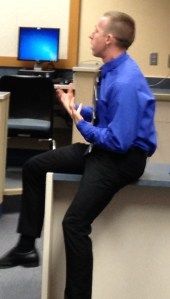
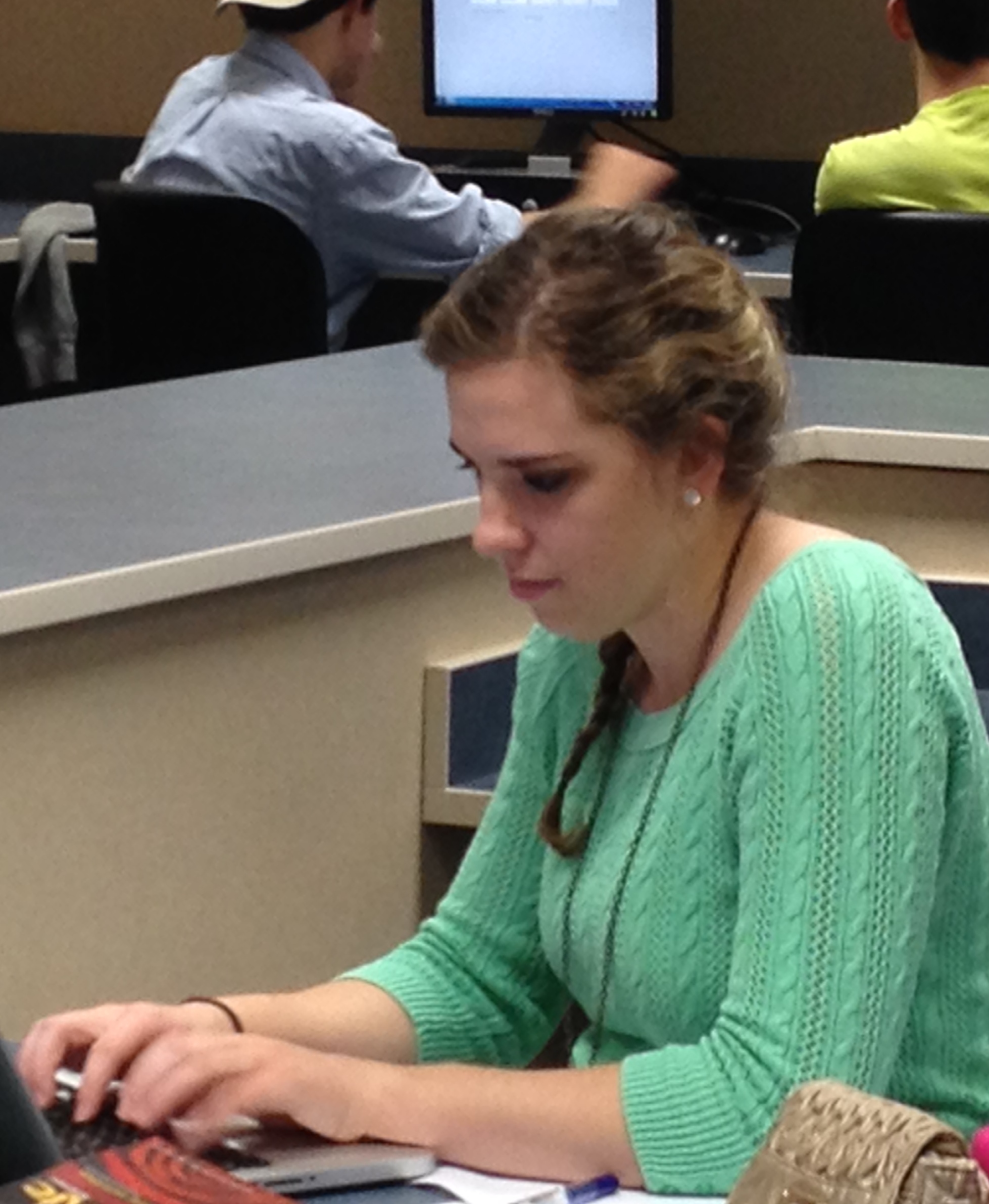
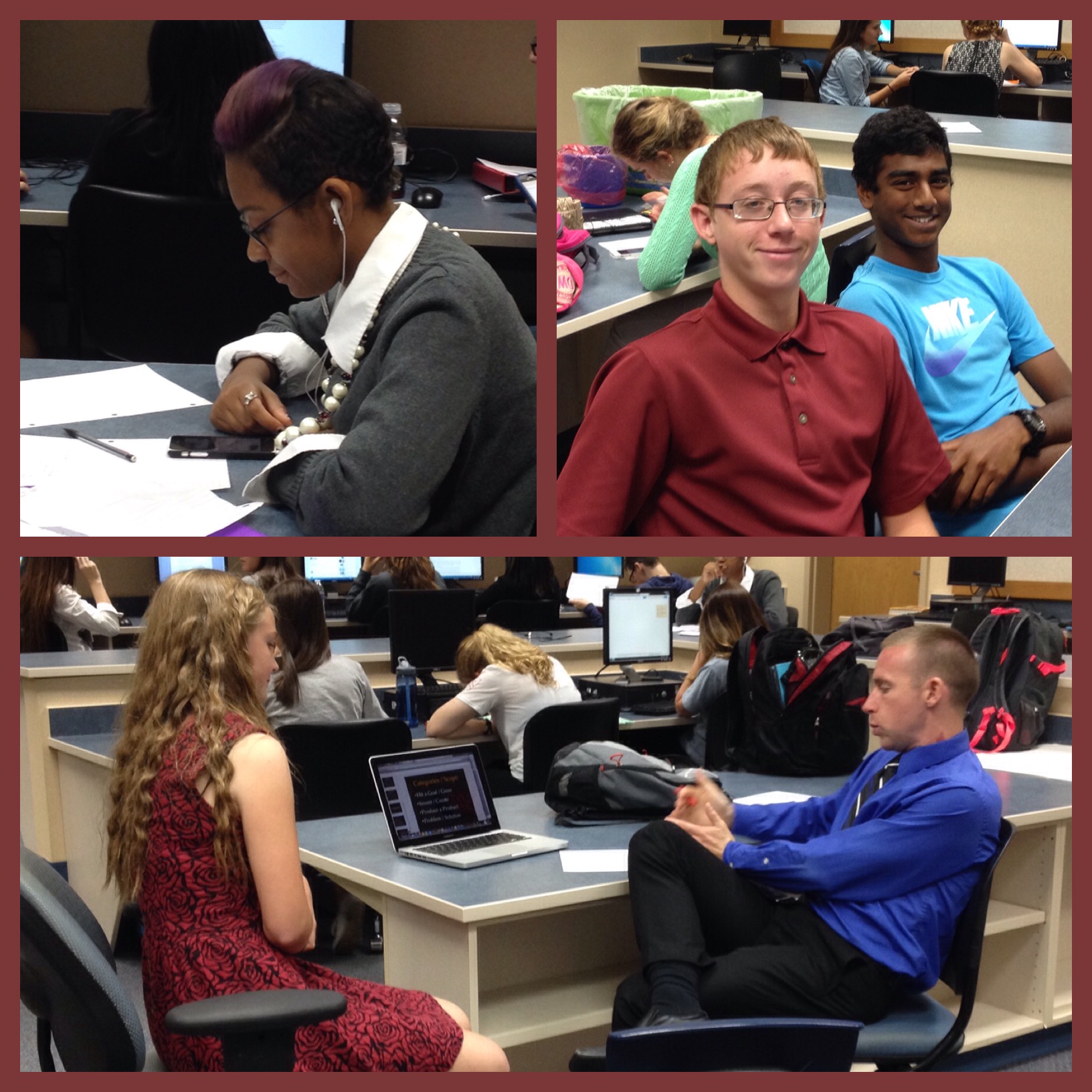
As a Genius Hour session begins, Mr. Goodwin reminds his students of their goals for the day.
STEP 2: Pitch Your Project. The Pitch is a “three-slide” or presentation, followed by a Q & A from the class.
STEP 3: Blog Your Process. Students set up a blog and update readers on their progress. The first post should answer, “What are your goals for this project?” and “How will you measure your progress?” From there, other blog posts discuss progress, discoveries, and setbacks. Students should be able to answer, “What have you learned about your topic? What have you learned about yourself? Where do you go from here / what’s the next step?”
STEP 4: Vlog an Insight. Students are asked to create a video blog answering “What / who inspired you in relation to your specific project? How have your readings and resources informed your approach?”
 STEP 5: Share Your Learning. Students write, design, and perform a meaningful TED talk. I give students a suggested organizational pattern for their talk (hook, transitions, logical order to your main points, effective conclusion), and suggest content (inspire your audience with your passion for your pursued activity; explain the process and show the products of your project; talk about your purpose or what the audience should learn from your product; include a meaningful take-away). Classes vote on the best couple of presentations, and the winners will be asked to deliver their TED talks in the FHS auditorium on a Saturday in May, where we invite an authentic audience: teachers, friends, parents / families, administrators, experts from the field, etc.
HSE21: Wow. The potential for creative invention seems huge! And what an opportunity to practice 21st century career skills: locating, evaluating and synthesizing information, managing time, reflecting on learning, and presenting to an audience in a variety of formats. Have there been any challenges in establishing Genius Hour for your students?
Mr. Goodwin: The greatest challenge we’ve seen so far with Genius Hour has been students feeling comfortable thinking for themselves and creating. I don’t say that to bash our students, by any means, but in the past, the overwhelming majority of their educational careers has been spent through a series of acts of compliance. They listen to teachers teach, they receive an assignment, and they complete the assignment. It’s like a gigantic factory. Genius Hour lets them be in control of their own learning.
 HSE21: Absolutely! Through Genius Hour, learning becomes active instead of passive. What has been the greatest benefit of Genius Hour for your students thus far?
Mr. Goodwin: The greatest benefit to students has certainly been an opportunity for students to think for themselves. The students have already surpassed my expectations, and we’re only six weeks in! Their creativity has been “unlocked” in some sense, and every week I’m surprised with what some of my students are capable of. It’s been a challenge for me, as a teacher, to let go a little bit, but when I see what students are doing, creating, and walking away with, I know it’s for the best. My role has changed from “sage on the stage” to “instructional coach” on Genius Hour days, and it’s been a wonderful experience, to say the least.
In a later post, HSE21 Shorts will explore some of the individual Genius Hour projects that Mr. Goodwin’s students have undertaken this year. We’ll also check on students’ progress throughout the year. Stay tuned!
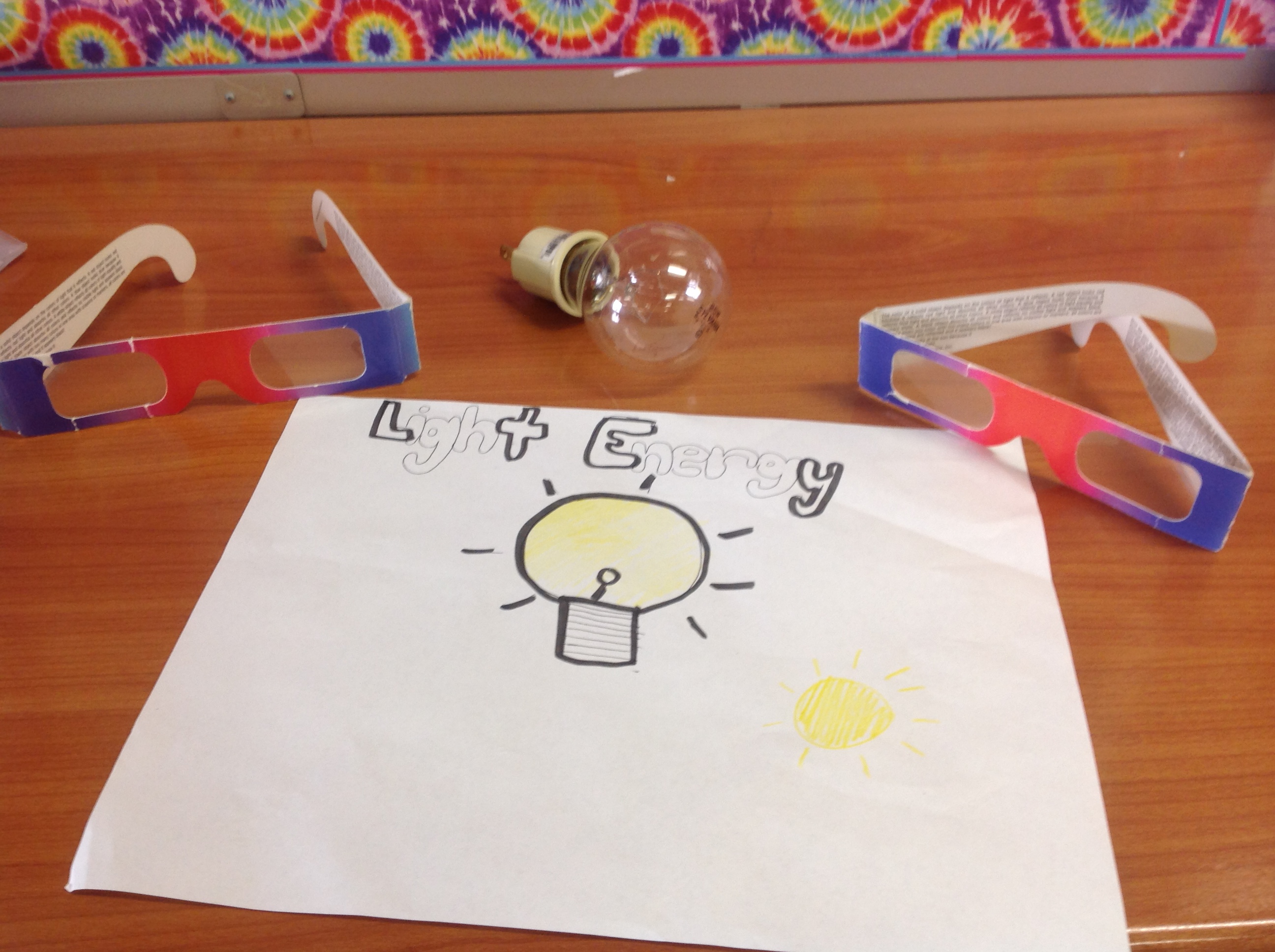 Indiana’s sixth grade science standards state that students will “understand that there are different forms of energy with unique characteristics.” In generations past, a lesson on this topic might have included reading a textbook section and filling in a worksheet, not a method conducive to deep learning. Today’s HSE21 Short, from Stephanie Alig’s classroom at Riverside Intermediate, provides a compelling example of 21st century learning, where student inquiry and collaboration, powered-up by 21st century digital learning tools, foster enduring understandings of important scientific concepts.
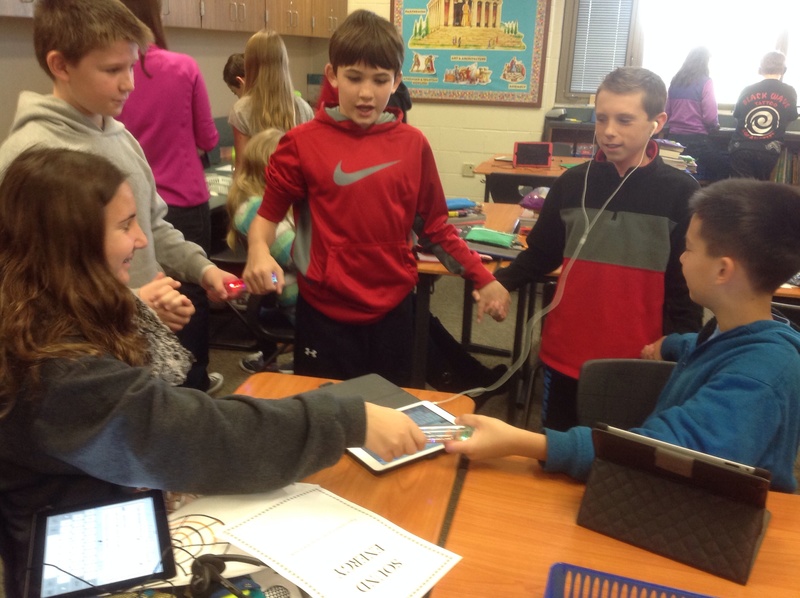 “I placed students in groups of two or three, so that they might collaborate and learn from each other. Each group investigated a form of energy (sound, light, heat, electrical, chemical, or elastic), by researching in their textbooks and online with their iPads. Each group’s responsibility was to create a one-minute presentation representing their form of energy. Groups used a variety of digital presentation tools to share their findings: iMovie, Haiku Deck, and Adobe Voice were three popular tools.”
 “Next, groups created Auras (using Aurasma) or QR codes as vehicles for presentation sharing. I placed the Auras and QR codes at ‘energy stations’ where the students a) watched the presentations; b) completed a mini-lab (made a circuit, energy sticks, measured heat, vinegar/baking soda, poppers, and diffraction grating glasses); and, c) submitted responses through Blackboard to demonstrate their understanding.”
 on for a role that interested him or her. Available roles included the mayor, city council member, employee of the public works or parks and recreation departments, a career with the fire or police department, and more!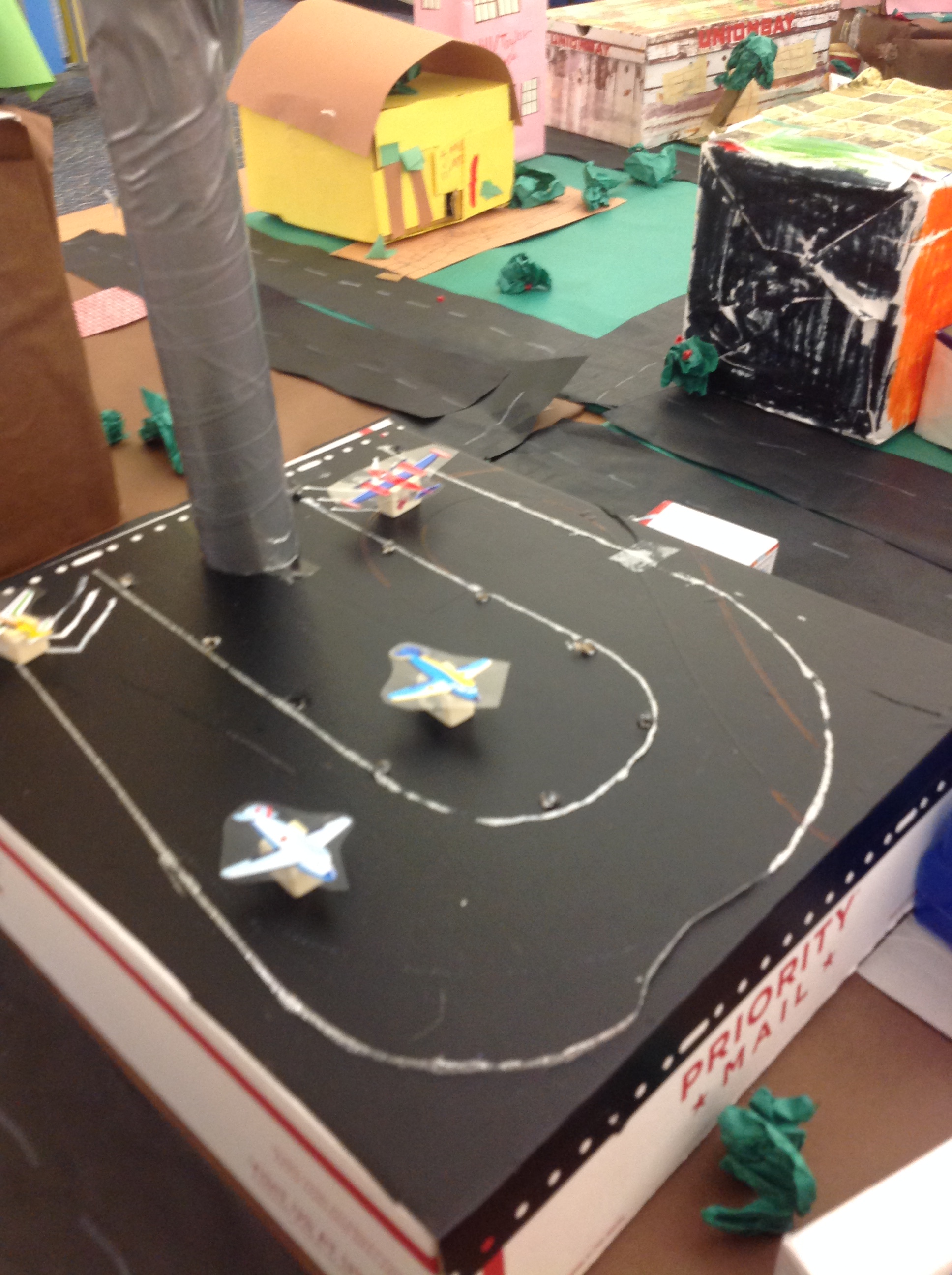
 on of the necessities of a town, and even included a math lesson on scale! Mrs. Miller and Mrs. Collier both declared this cross-curricular, collaborative unit to be a huge success–the students agreed!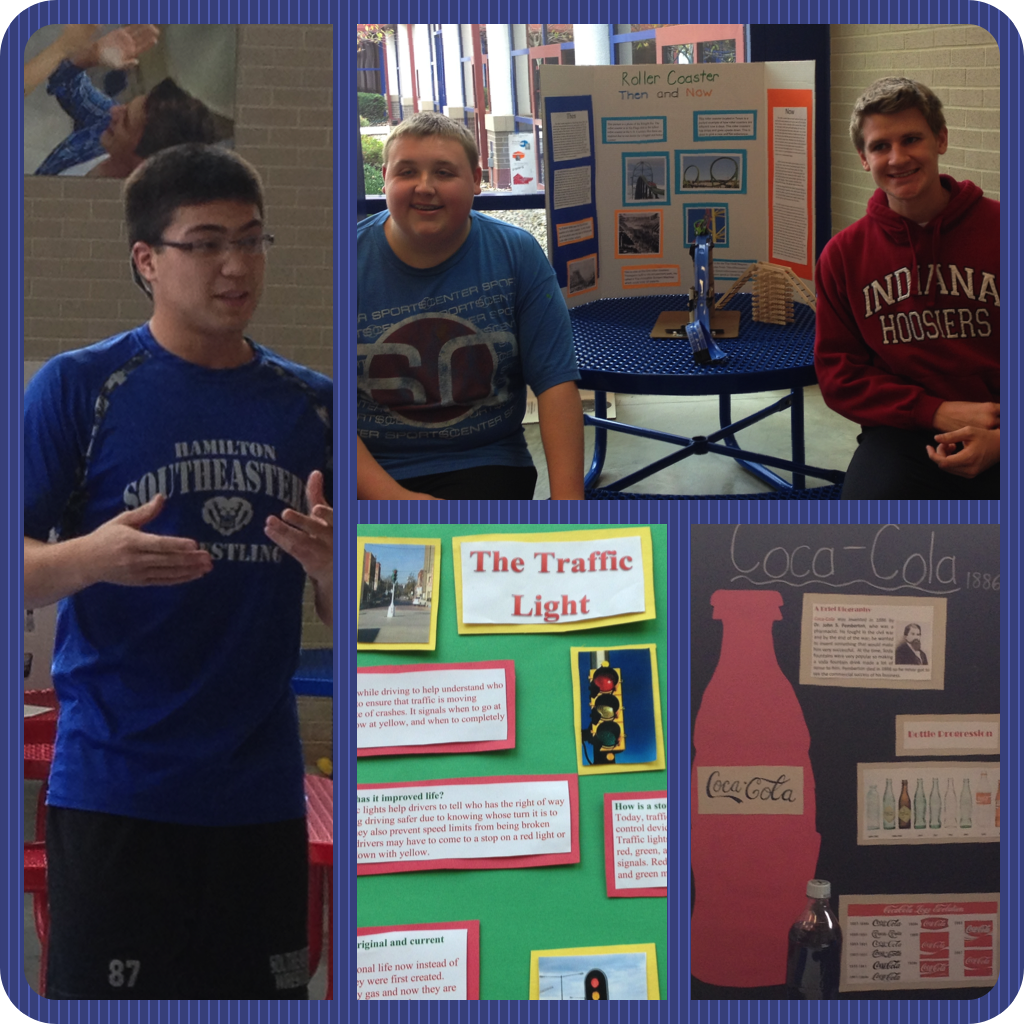

 HSE21 Shorts