“Calculating” Change in Math

Once upcalculators paston a time there was the abacus. Then the slide rule. By the time I entered high school, handy multi-function calculators were all the rage (pictured at left is a TI-30, circa 1976). Calculating machines, like other technological tools, have slowly become more sophisticated.

ti-nspire-cx-casSlowly, that is, until the computer age took hold. Today’s calculators are no less than specialized mini-computers, designed to assist scientists–and students–in performing complex calculations and solving mathematical and scientific problems. What’s more, these calculating ‘systems’ can easily be networked, making the once silent, straight-rowed math class an interactive, responsive mathematics lab! Take a one-minute peek into Kathleen Robeson’s room at Fishers High School to see how TI-NspireTM calculators and the CX Navigator SystemTM combined with the leadership of an excellent teacher, have transformed instruction.

*Image sources: Wikimedia Commons

Sixth Grade Science…for a New Generation!

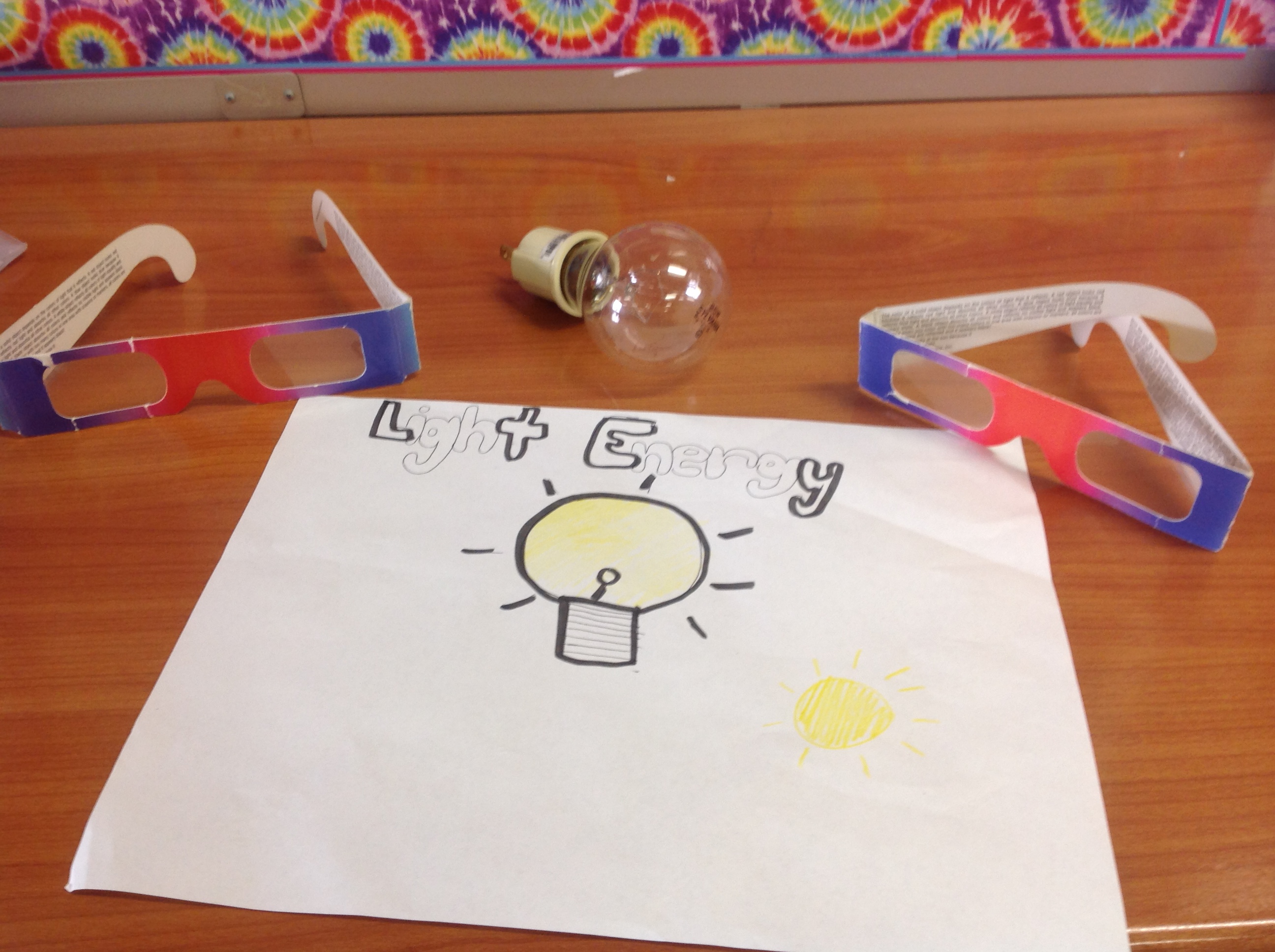
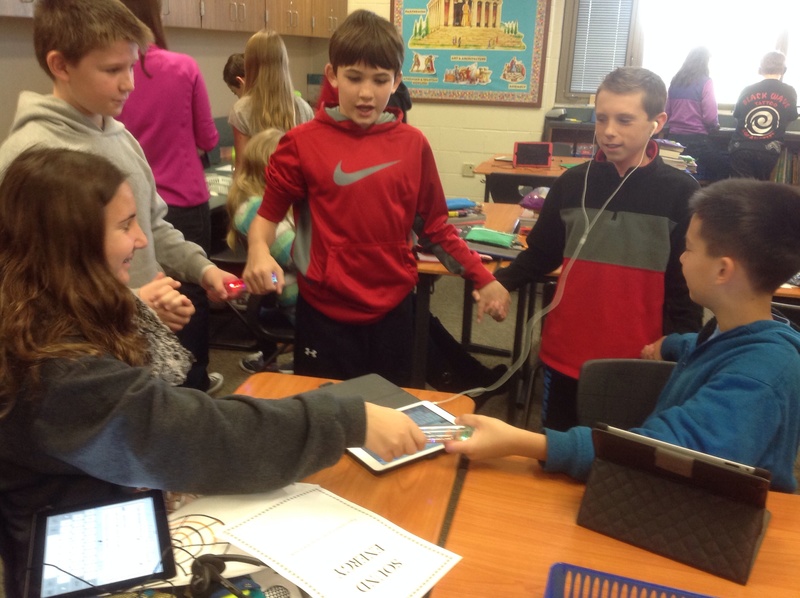
alig3Indiana’s sixth grade science standards state that students will “understand that there are different forms of energy with unique characteristics.” In generations past, a lesson on this topic might have included reading a textbook section and filling in a worksheet, not a method conducive to deep learning. Today’s HSE21 Short, from Stephanie Alig’s classroom at Riverside Intermediate, provides a compelling example of 21st century learning, where student inquiry and collaboration, powered-up by 21st century digital learning tools, foster enduring understandings of important scientific concepts.

alig1“I placed students in groups of two or three, so that they might collaborate and learn from each other. Each group investigated a form of energy (sound, light, heat, electrical, chemical, or elastic), by researching in their textbooks and online with their iPads. Each group’s responsibility was to create a one-minute presentation representing their form of energy. Groups used a variety of digital presentation tools to share their findings: iMovie, Haiku Deck, and Adobe Voice were three popular tools.”

alig2“Next, groups created Auras (using Aurasma) or QR codes as vehicles for presentation sharing. I placed the Auras and QR codes at ‘energy stations’ where the students a) watched the presentations; b) completed a mini-lab (made a circuit, energy sticks, measured heat, vinegar/baking soda, poppers, and diffraction grating glasses); and, c) submitted responses through Blackboard to demonstrate their understanding.”

If you are over thirty, does that sound like YOUR sixth grade science instruction?

Taking One’s Teacher Home

The potential of digital connectivity and devices to broaden and deepen learning is nearly boundless, as HSE21 Shorts posts often affirm! In addition to student-driven inquiry and creations, teachers are harnessing technology to connect with students outside the classroom–posting lessons online, holding virtual office hours, and recording and posting presentations. Through Blackboard, our learning management system, Google Apps for Education, and many other digital tools for learning, students can revisit material that is not yet understood. They can receive quick, individualized feedback. Interspersed throughout the year, HSE21 Shorts will highlight some simple, yet powerful shifts in instruction made possible through digital connection and access.

Screen Shot 2014-11-19 at 7.24.42 PMNatalie Stoner, mathematics teacher at the Hamilton Southeastern Freshman Center, is a pro at demonstrating mathematical constructs to her students. But as students will attest, an algebra query can seem straightforward when the teacher is explaining the steps–tackling the homework problems, though, can be another story! Stoner wanted her students to be able to revisit her in-class presentations–to review, rewind, and hear key points again as needed. Enter an iPad, a tripod, and YouTube. Now Stoner uploads each day’s mini-lesson to YouTube and links the post in Blackboard. The freshmen have the means to hear the lesson again; students who are absent can see what they missed. A simple but powerful way to foster deeper understanding. That’s #ConnectedEducation.

Need an exponent review? Ms. Stoner can help! Just click the YouTube link below:

Catapults, Collaboration and Creative Design

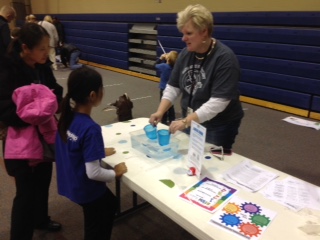
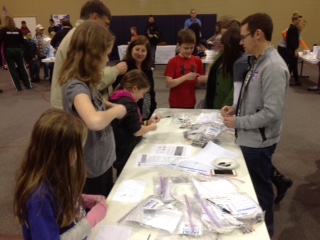
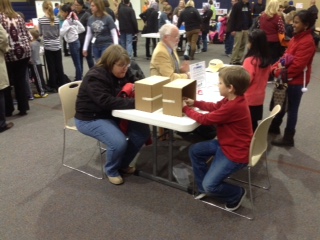
Youngimage004 children are naturals when it comes to creation and design. Catapults, rockets, roller coasters…just mention these words, and creative constructions are not far behind! Sand Creek Elementary recently provided a wonderful opportunity for   budding engineers and designers to explore science, technology, engineering, and mathematics (STEM). The event, known as Family Engineering Night, brought together over two-hundred-and-fifty members of the SCE community.  

Family Engineering Night came about through the vision of SCE third-grade teacher Holly Miller, who was awarded a grant for the project from the Hamilton Southeastern Schools Foundation. Attendees of the event witnessed a packed gymnasium where students and their families visited their choice of thirty hands-on engineering stations. Side-by-side, children and adults practiced creative design, critical thinking, and problem-solving. What type of boat will hold the most pennies? Can we design a roller coaster that will keep a marble moving for 5 seconds? Which materials make the most powerful catapult? Inquiry, design, and family interaction were highlights of the smashingly-successful evening…the photos shown here tell the story best.

FullSizeRender FullSizeRender[1]FullSizeRender[1] IMG_1671 IMG_1647 IMG_1651IMG_1658

Day 63 – The Reading Royals Partnership

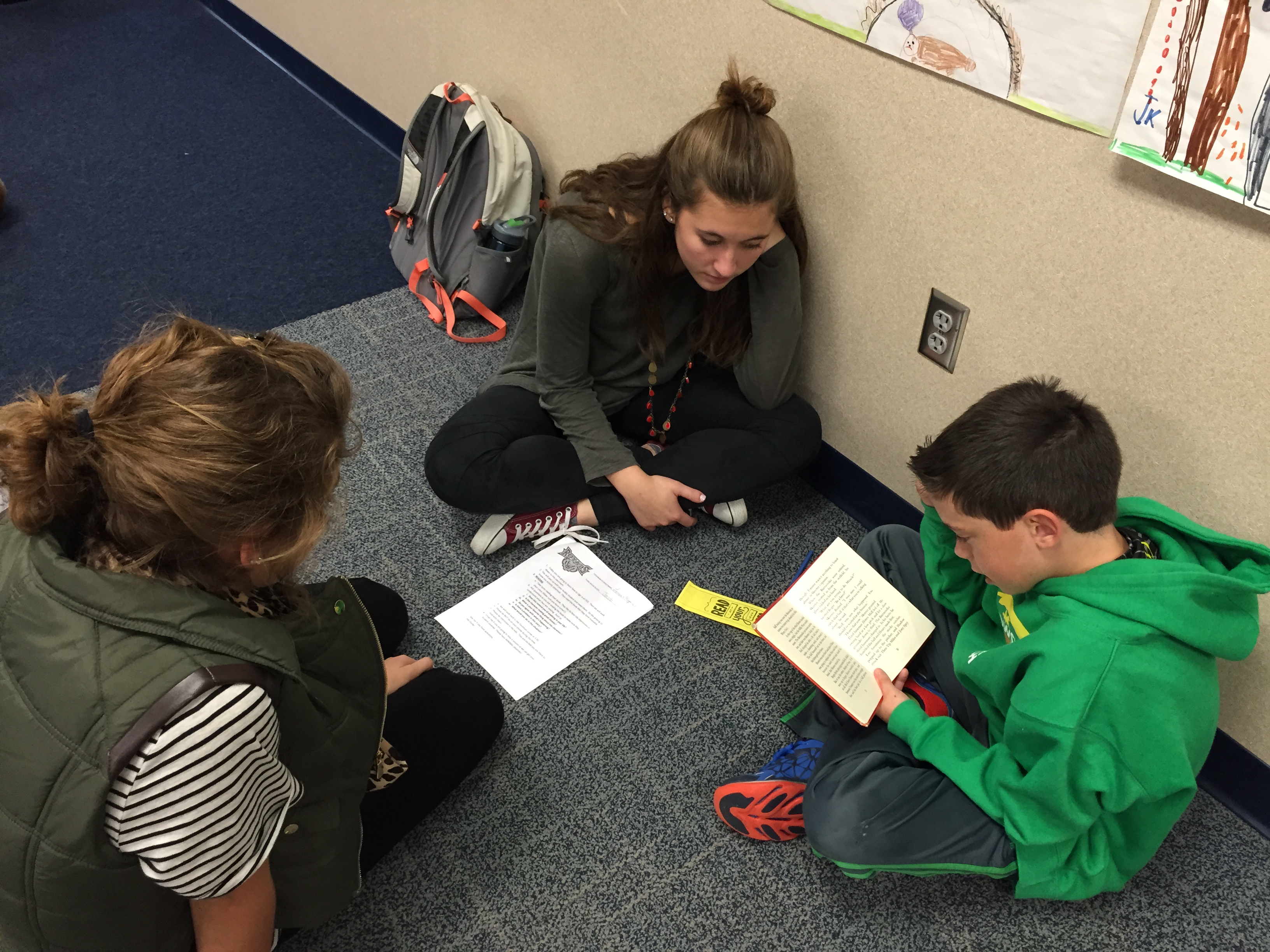
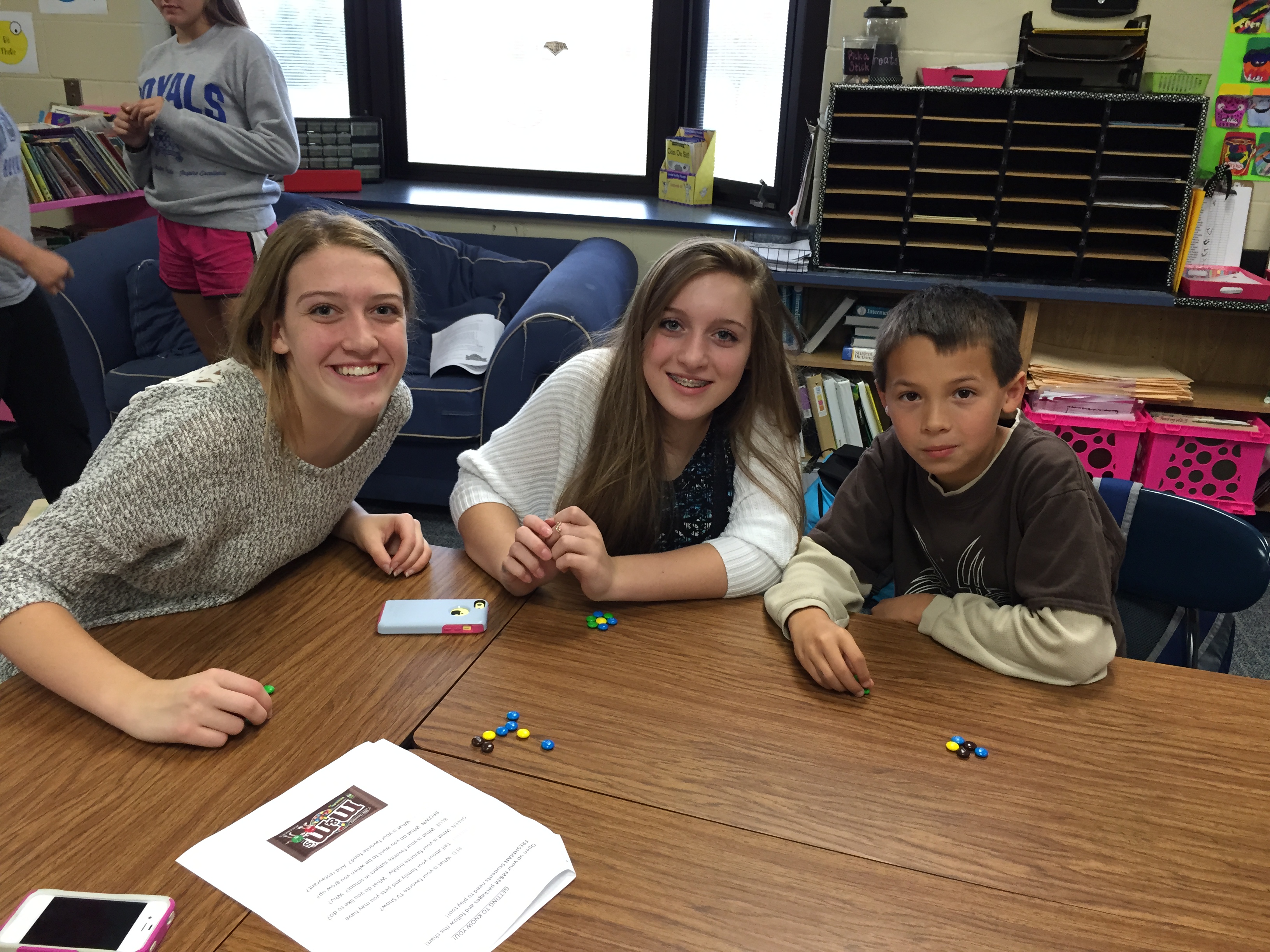
IMG_2597Being a large and growing school corporation may have its challenges (for instance, higher traffic volume at certain times of day!). But size also has its advantages. School buildings are popping up close to one another, which opens the doors–literally–to connected learning opportunities!  HSE Freshman Campus Media Specialist Kristen Distler decided to take advantage of her advantage, in that her building sits right next door to Fall Creek Elementary. Knowing the impact that motivated older students can have on our youngest learners, Distler designed the Reading Royals partnership.

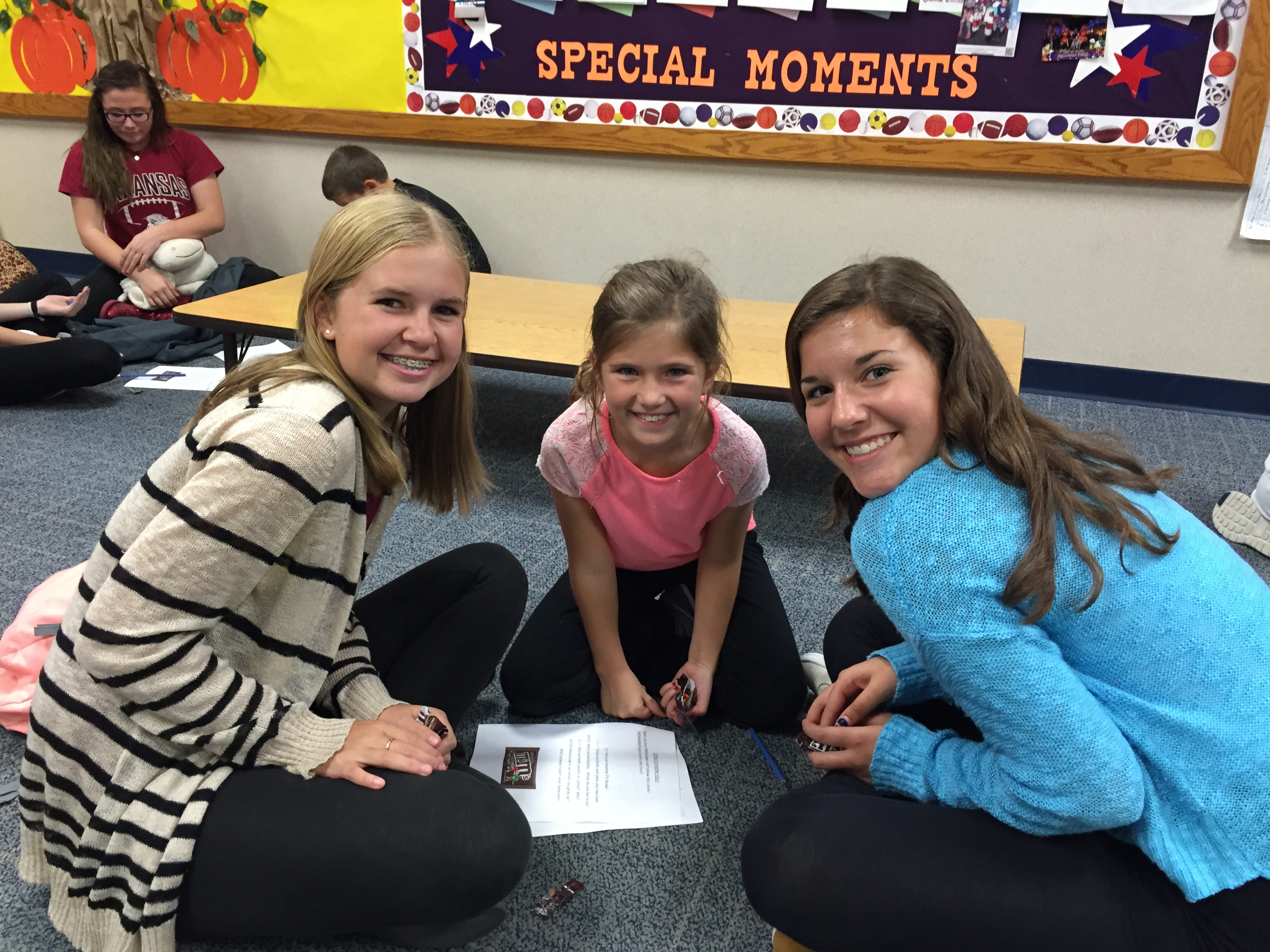
IMG_2599The new club is open to all freshman campus students with a desire to share their love of learning with their younger peers. As of this month forty freshman are involved in the partnership. Freshman Lauren Swenson sums up what motivates Reading Royals:  “I joined because I thought it would be fun to help out kids.  I like spending time with them.  It’s fun because all of the freshman are together reading with the kids.”

IMG_2596Reading Royals walk next door twice monthly to read and learn with Mrs. Robinson and Mrs. Blount’s classes.  Says Distler, “The high school kids usually do a learning game for the first fifteen minutes and then read with the third graders for fifteen minutes.  We hope we can foster the love of reading along with building some good mentoring relationships.” Learning together and sharing our learning. HSE21.

Day 62 – HJH Is a Blue Ribbon School

blueribbon

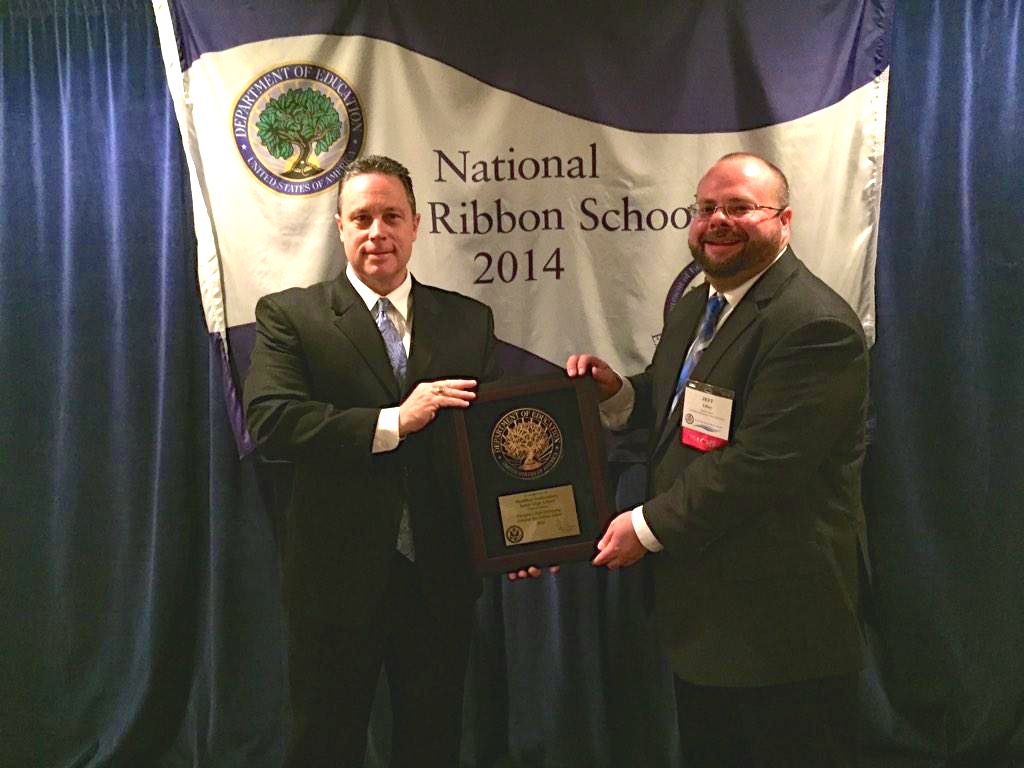
Congratulations to the Hamilton Southeastern Junior High school community on being named as a National Blue Ribbon School for 2014! Today, in Washington, D.C., Principal Tim Mankin and English Department Chair Jeff Libey took part in ceremonies to honor this year’s Blue Ribbon winners.

The National Blue Ribbon Schools program, an important initiative of the federal Department of Education, has a thirty-two year history of highlighting excellent schools across the United States. Earning Blue Ribbon status is a great honor, and HJH is the only junior high school in the state of Indiana to be named a National Blue Ribbon School this year. To learn more about Hamilton Southeastern Junior High’s Blue Ribbon Status, please visit their award page on the National Blue Ribbon Schools website.

Day 61 – Google Hangout with A Martian?

weir 5

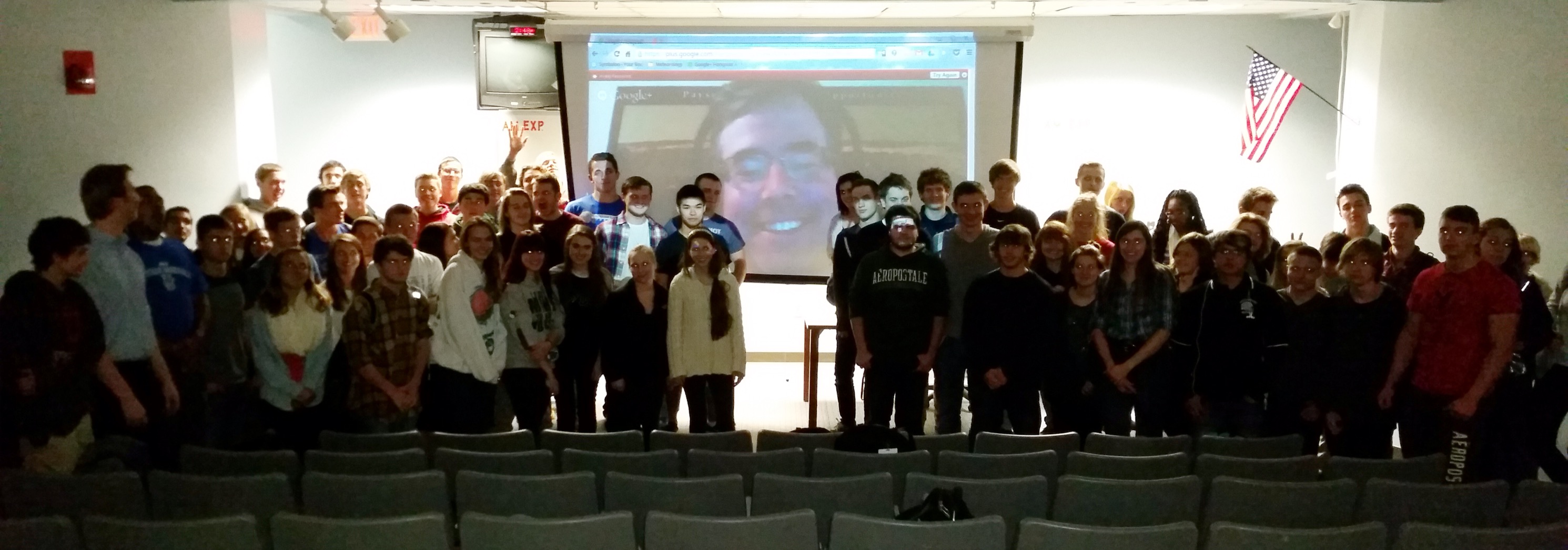
Twenty-first century technology has given students new ways to connect–with each other, their teachers, and with experts from around the world. But with Mars? Not quite… However, Megan Ewing’s Astronomy students came close on school Day 61, when they experienced a Google Hangout with Andy Weir. Weir is author of The Martian, the NewBook-Review-The-Martian York Times best-selling science-fiction novel, slated to be released as a major motion picture in November 2015.

Ewing, Astronomy teacher at Hamilton Southeastern High School, originally connected with Weir through Facebook. Says Megan, “I was just playing around one night on the Internet and found his web page. I followed him on Facebook from there and took a chance by messaging him. He replied within five minutes asking me to email him the details; he was immediately on board for the Google Hangout from there.”
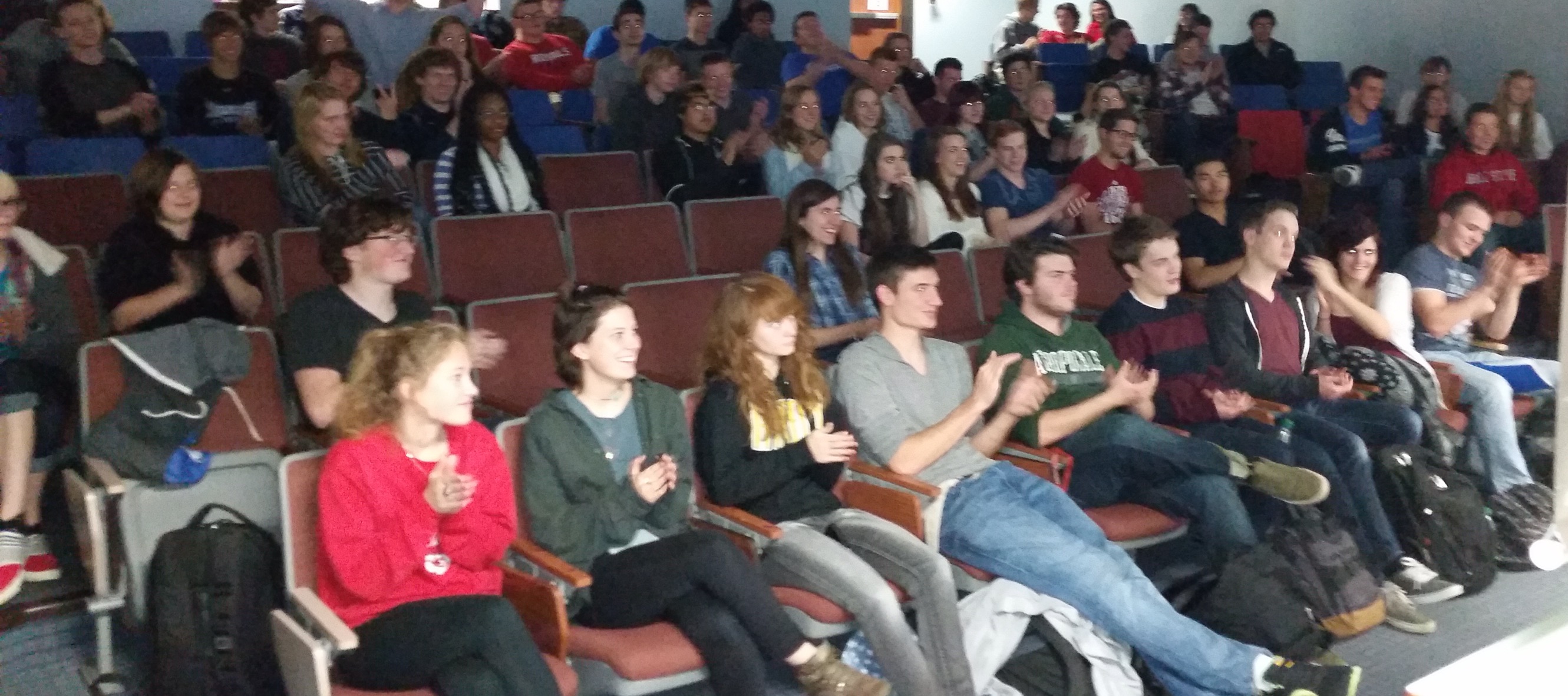
weir 3The multi-class Skype was held in one of the HSE High School’s small auditoriums. Weir shared his background with the students, including how his career has evolved from computer programming to full-time writing. Weir began with a blog. One thing led to another and, several years later, The Martian was born.

weir 2Weir also took questions form the students. To the question, “What advice to do have for aspiring authors?” he responded, “It sounds simple, but just write. Don’t give away the ending or share your work. Most writers want to have an audience or someone to share their work with. If you hold off on sharing, this will act as motivation to finish your work.” Students also wanted to know who inspired the book’s main character, Mark Watney. To this, Weir replied, “Mark is very similar to me. A nerd, sarcastic and a smart-alec. I guess he has all of my good qualities and none of my bad qualities.”

Mrs. Ewing hopes that her students will have found some inspiration from this experience. “If space, or even science, are not their “things”, perhaps contact with an author will inspire them in reading and writing.”

Day 60 – Ben and the Bear

FullSizeRender[1]
Today’s highlight occurred at Fall Creek Intermediate School, where students received a much anticipated visit from young adult author Ben Mikaelsen! Mikaelsen traveled from his home in Bozeman, Montana, to spend a day at FCI.  Teachers and media specialists know Mikaelsen as a popular and successful writer; to students, Ben is most notable for his famous family member, a 750 lb. black bear named Buffy.

FullSizeRender

In addition to sharing tales of Buffy, who lived with the Mikaelsens from the time he was a cub until he passed away at the age of 26 (in 2010), Mikaelsen shared stories from his life as well as his books. He spoke to the FCI students about bullying and his own experiences with bullies. He also encouraged students to follow their dreams, again by sharing his own experiences. Both were very strong messages that connected mightily with the preteen audience.

-Submitted by Teri Zabonick, FCI Media Specialist

Day 59 – The Construction of Millerville

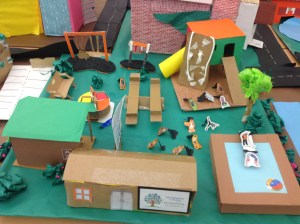
Students in Holly Miller’s third grade class at Sand Creek Elementary recently got to experience how a real city or town operates. As part of their academic standards, the class studied the wide of variety roles that a community must fill in order to function as a town/city. Then the student-driven portion of the project began! With additional instruction and resources from media specialist Laura Collier, each class member filled out a job applicatiIMG_1611on for a role that interested him or her. Available roles included the mayor, city council member, employee of the public works or parks and recreation departments, a career with the fire or police department, and more!
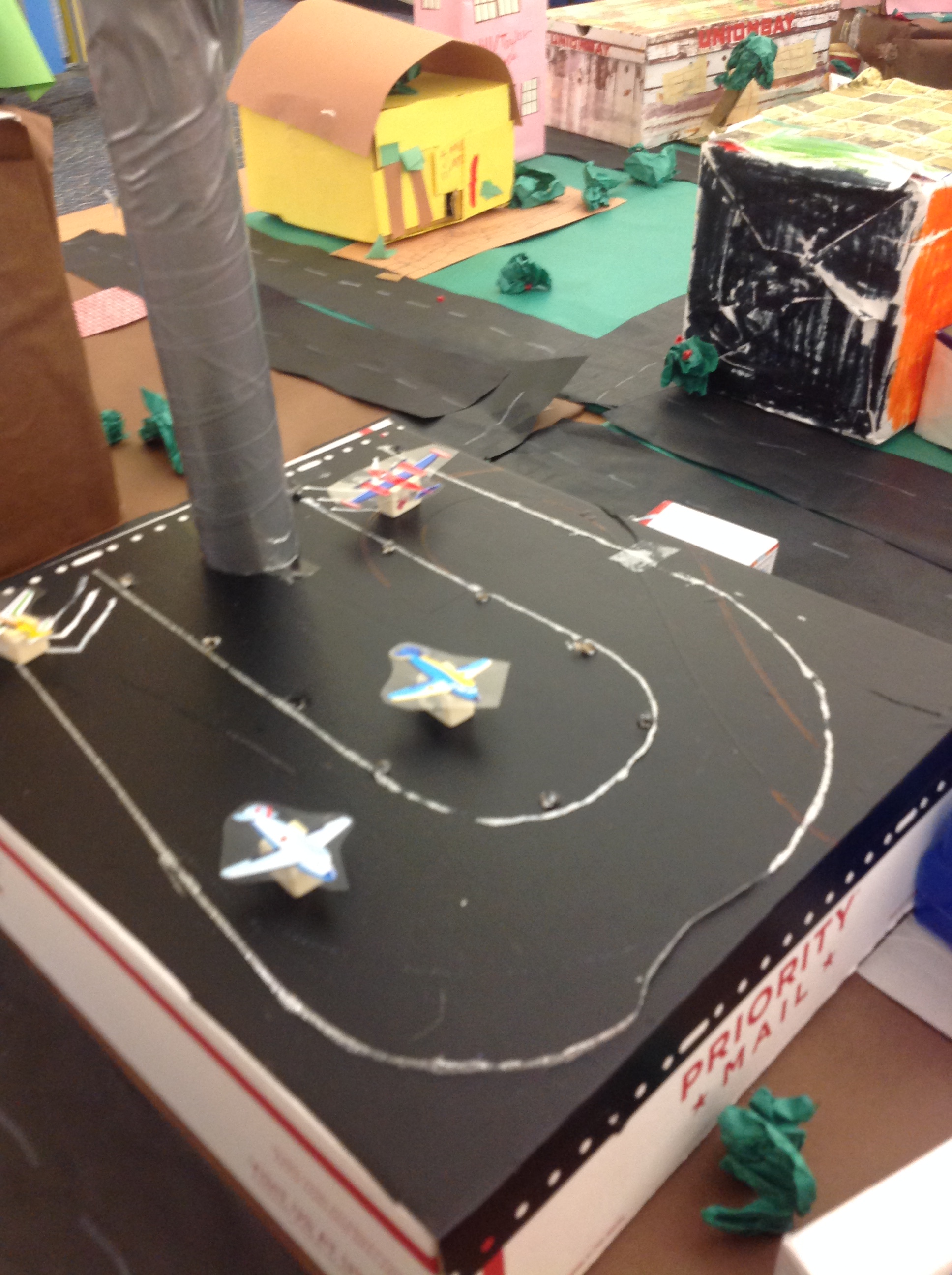
IMG_1582After a city mayor was elected and other roles assigned by interest, students practiced their research skills in the library, looking for reliable information about their chosen job. Students used that knowledge to build a 3-D representation of the town of “Millerville.” In addition to the content learned, the Millerville project gave students practice in collaboration and team-building, a visual representatiIMG_1608on of the necessities of a town,  and even included a math lesson on scale! Mrs. Miller and Mrs. Collier both declared this cross-curricular, collaborative unit to be a huge success–the students agreed!

Day 58 – The 2014 World’s Fair, HSE Style

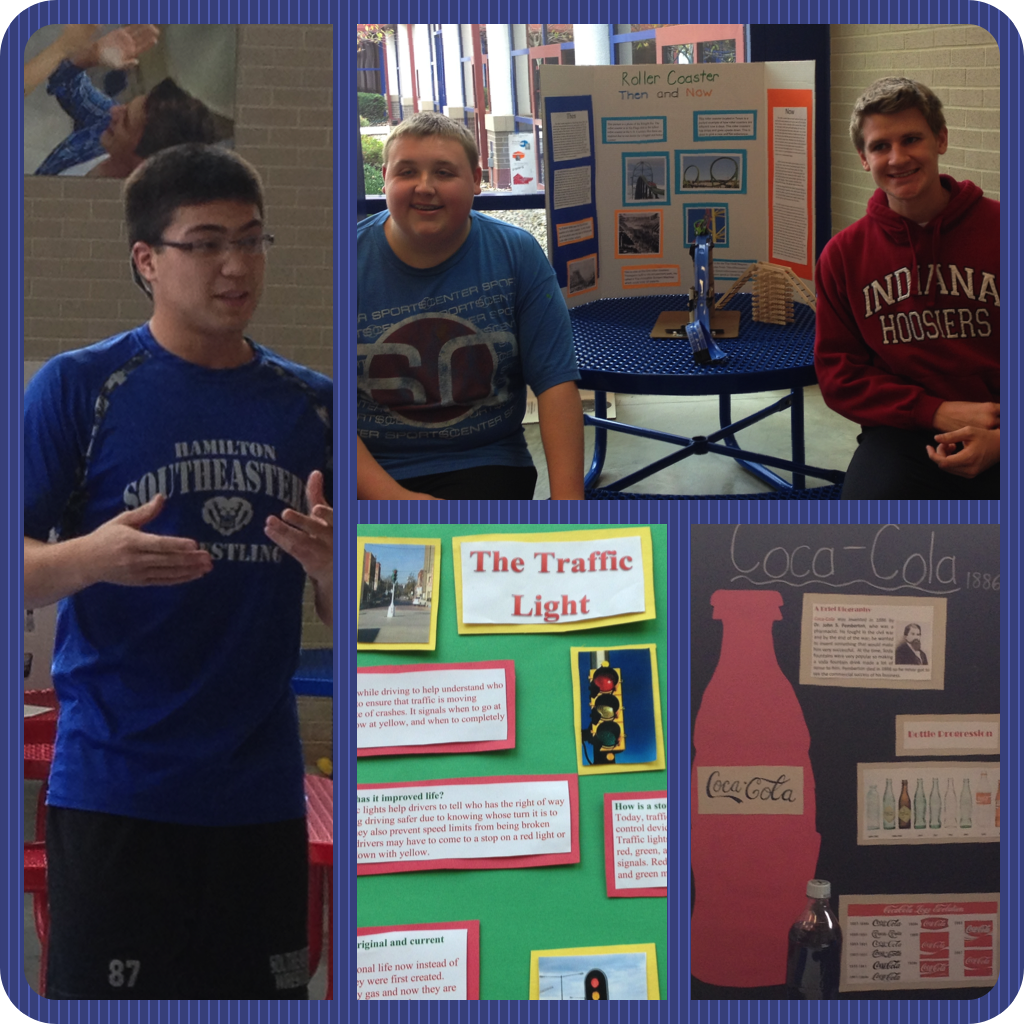
GehlarWorldsFairWho invented the traffic light? And…how do today’s high-tech traffic systems differ from those first simple signals? When did household mechanical appliances appear on the domestic scene? How did they become mainstream, and how have they changed with the times? The Gilded Age saw the patenting of many new products and the birth of corporations. But how did Americans and consumers worldwide find out about the newest and grandest innovations? One way was through World’s Fairs.

Especially between the 1870s and 1930s, multiple World’s Fairs and Expositions showcased inventions of the modern world, both useful and trendy, and predicted innovations of the future (not always very accurately!). At Hamilton Southeastern High School, Mrs. Gelhar-Bruce’s U.S. History classes recently recreated a World’s Fair as part of their study of this historical era. Students, working individually or in pairs, investigated the birth and development of an innovation that was meaningful to them. During the project culmination, the Gelhar-Bruce World Exposition, students presented their products and inventions to classmates. Each student or group chose their topic and presentation mode, keys to fostering student engagement. The Gelhar-Bruce World’s Fair saw ‘in person’ marketing plugs, commercials, graphic representations, and even 3-D then-and-now recreations of inventions. Active, personalized learning that connects the past with students’ present experience. That’s HSE21 learning!