Once up on a time there was the abacus. Then the slide rule. By the time I entered high school, handy multi-function calculators were all the rage (pictured at left is a TI-30, circa 1976). Calculating machines, like other technological tools, have slowly become more sophisticated.
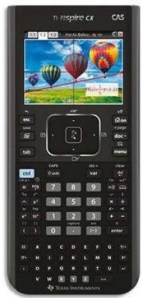 Slowly, that is, until the computer age took hold. Today’s calculators are no less than specialized mini-computers, designed to assist scientists–and students–in performing complex calculations and solving mathematical and scientific problems. What’s more, these calculating ‘systems’ can easily be networked, making the once silent, straight-rowed math class an interactive, responsive mathematics lab! Take a one-minute peek into Kathleen Robeson’s room at Fishers High School to see how TI-NspireTM calculators and the CX Navigator SystemTM combined with the leadership of an excellent teacher, have transformed instruction.
*Image sources: Wikimedia Commons

 …is a smart and responsive technology department!
 HSE Technology Department employees work tirelessly and creatively behind-the-scenes on behalf of teachers. Their overall goal is to support the curriculum and to enable responsive teaching and learning in HSE classrooms. HSE Technology…a vital part of the Hamilton Southeastern learning community!
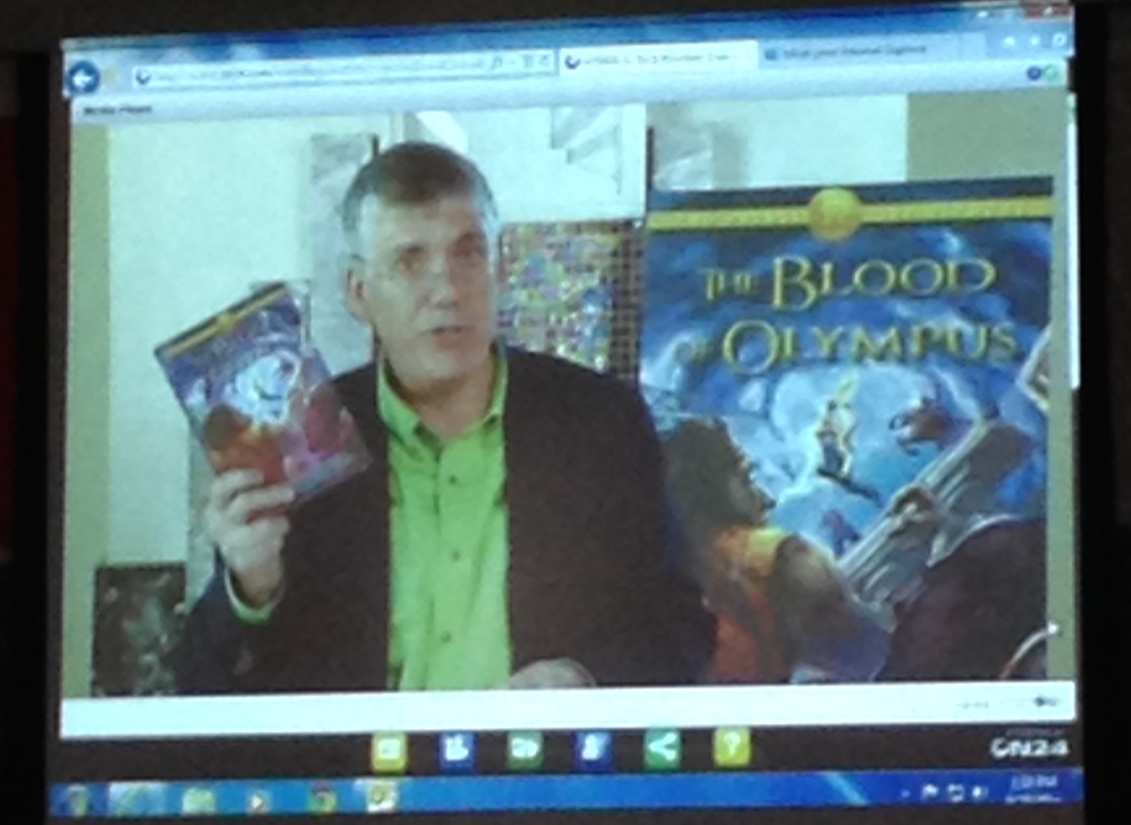
 HSE21 Shorts