Meaningful participation in the global, digital world necessitates new literacies; in essence, it involves taking what we know about citizenship in the physical world and creating parallel expectations for virtual spaces. Components of citizenship–rights, responsibilities, etiquettes & manners, security & privacy concerns, legality issues, and more–matter a great deal in the digital world. This fresh, virtual territory, however, isn’t as defined or clear-cut as behaviors and social norms are in physical spaces.
As HSE’s secondary schools shift to a Bring Your Own Device (BYOD) environment next year, it’s important that all teachers are prepared to model and reinforce wise and proper digital citizenship in their students. HSE High School teachers considered digital citizenship this week, as they completed a virtual learning module designed to stimulate thinking on the meaning of these words, and how digital citizenship plays out in our modern lives as teachers and learners.
Conversation and further more professional development will take place in the next several months, as teachers anticipate BYOD. Here are just a few of the components of the learning module teachers completed this week. It’s food for thought for all of us!
Here are a few words to think about from Dr. Henry Jenkins, clipped from a longer thought-provoking film on Edutopia, followed by a short explanation of digital citizenship from Common Sense Media:
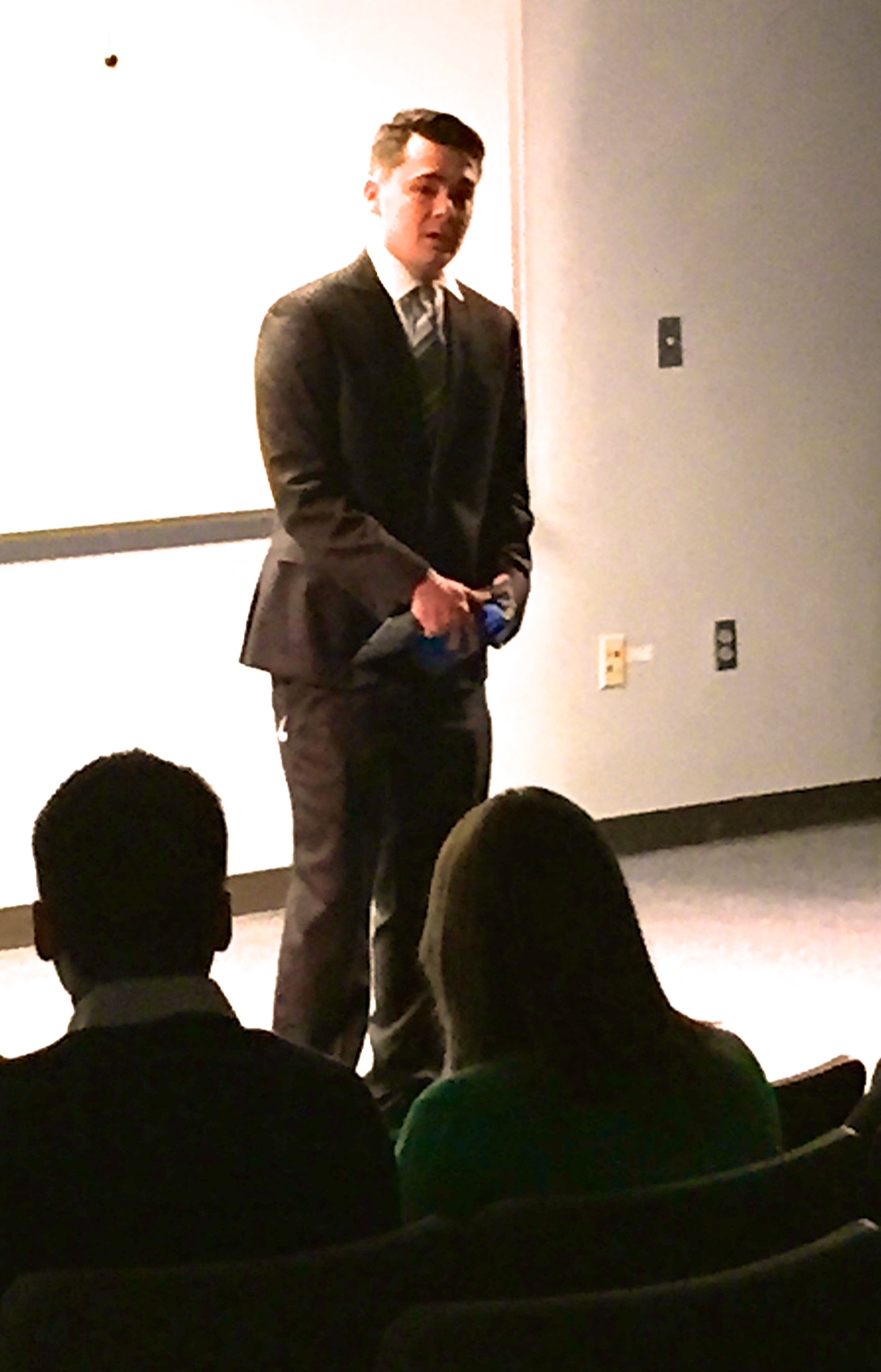
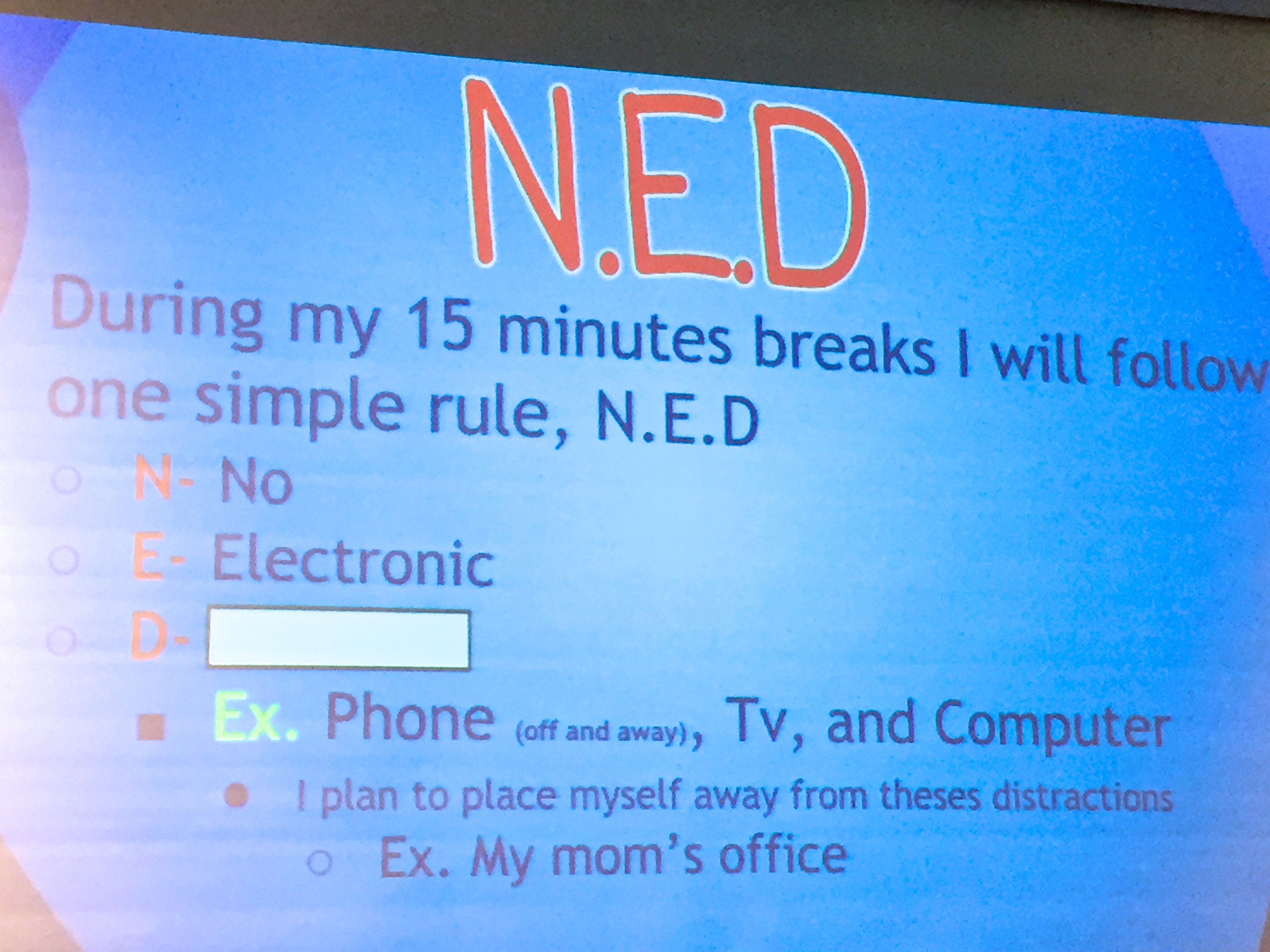
 By the time most students reach high school, they are used to being called upon to answer questions in class and to present projects to classmates. To stand on a stage before an audience of peers and adults, however, in order to present individual work based on personal interests and passions–this is very new. Students shared from their hearts, backing up their project designs with data and research. Whether a project sprung out of a need connected to a personal past time, an issue observed in the school community, or a cultural concern with global ramifications, students revealed their ability to analyze and come up with creative solutions to real-world problems. HSE21 Shorts can’t wait to see the follow-through!
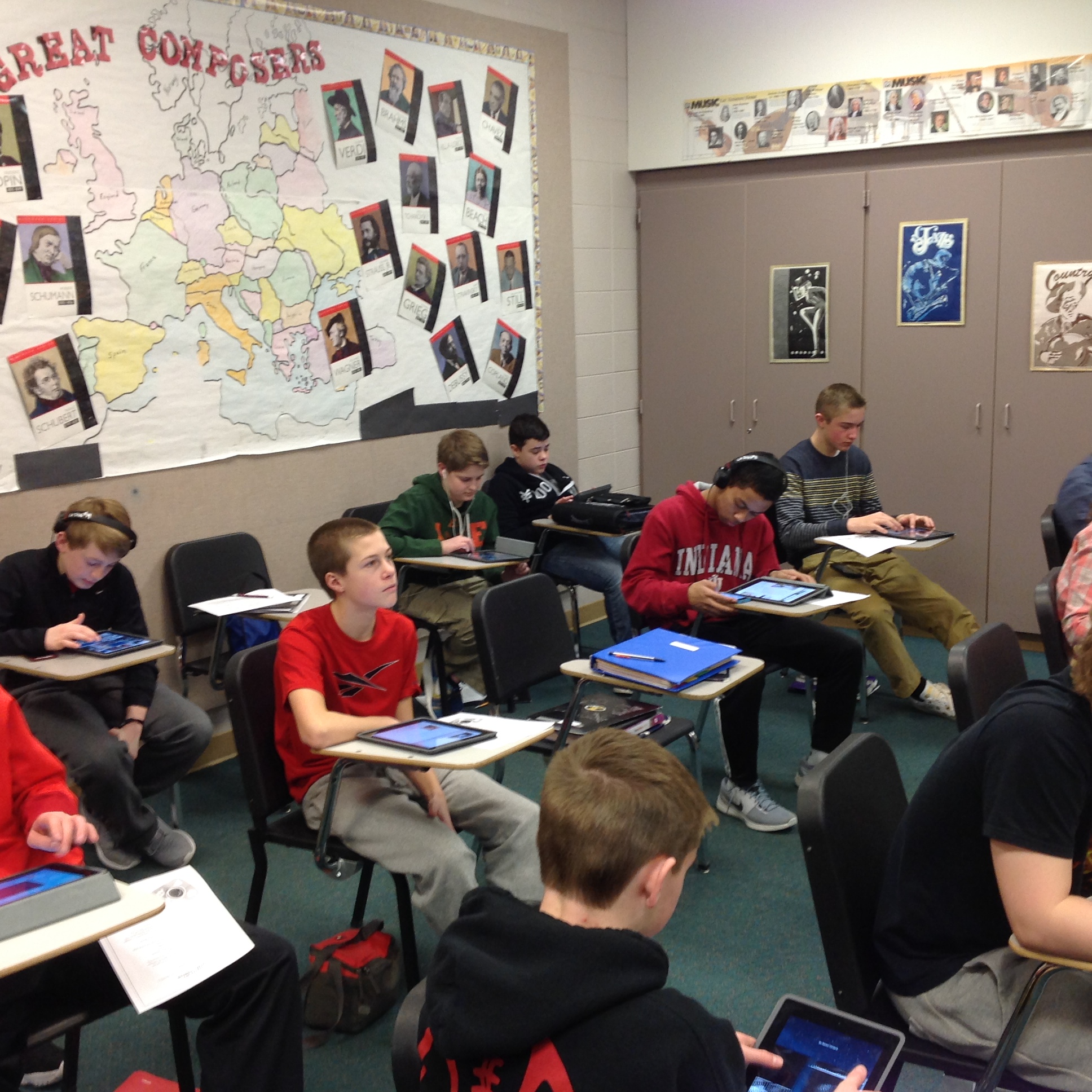
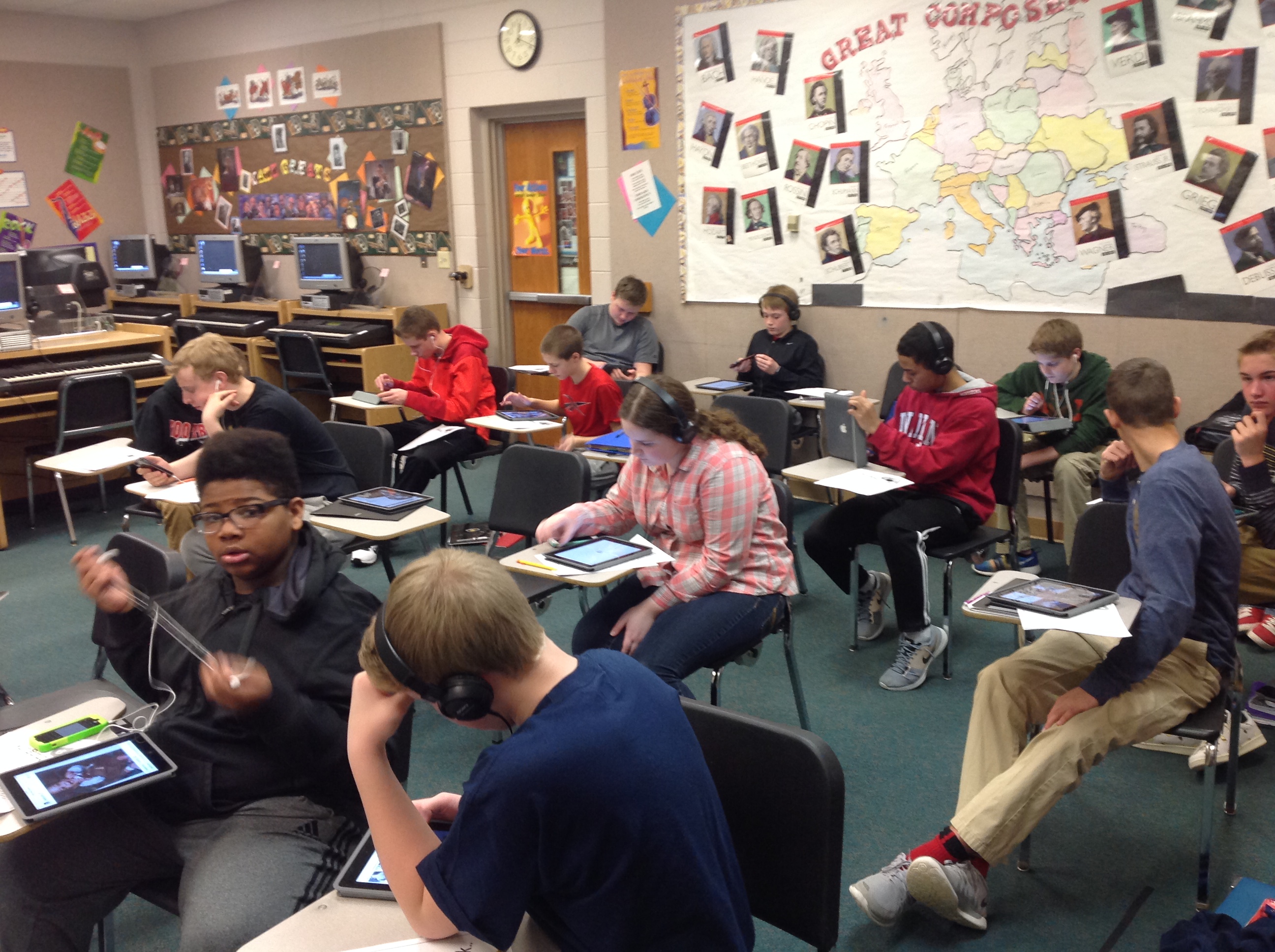
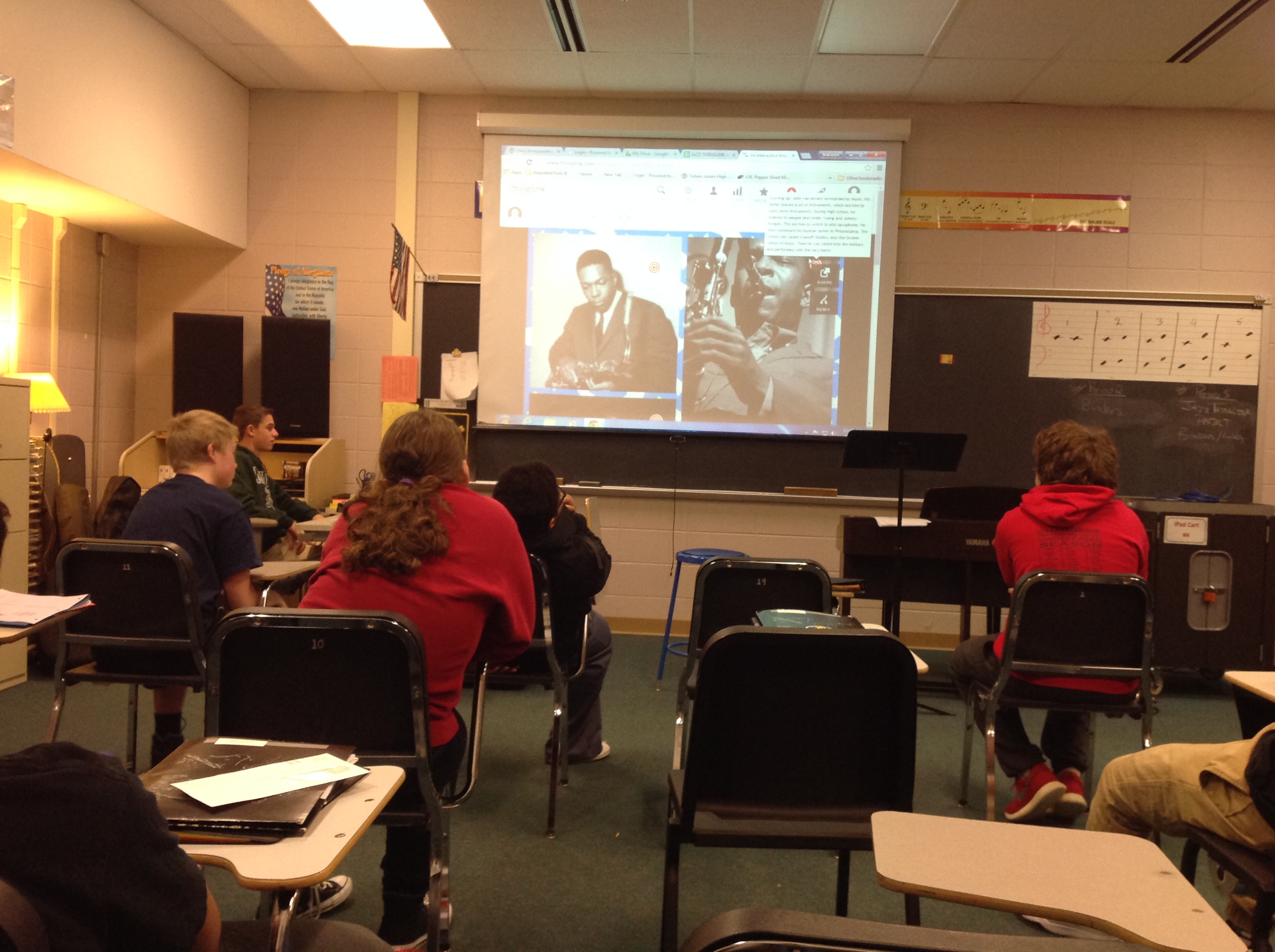

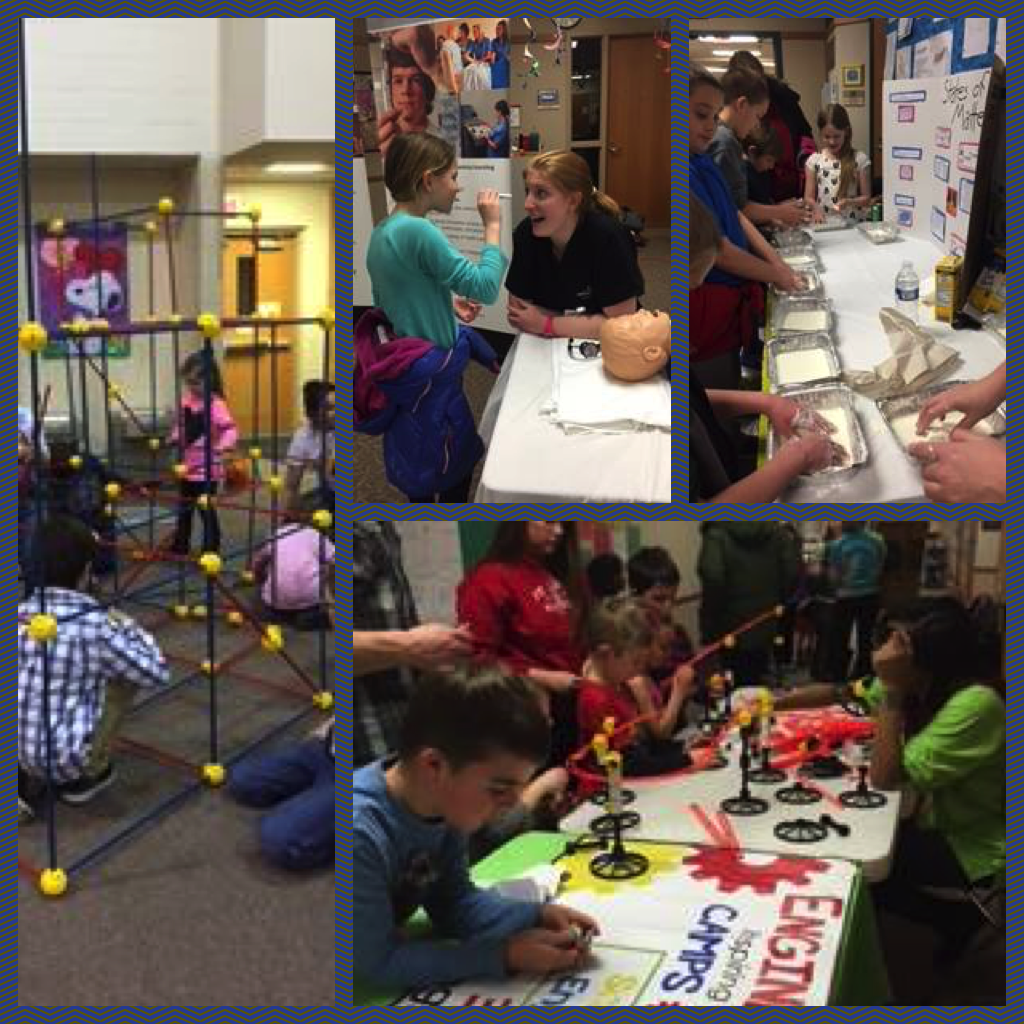
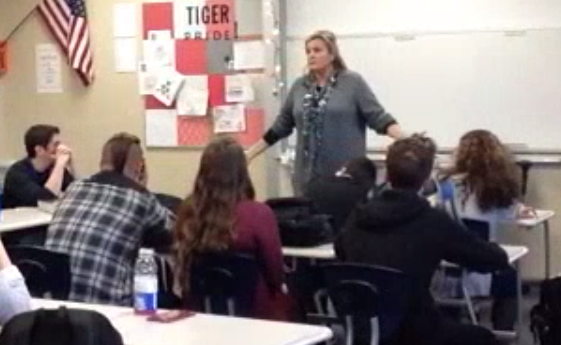
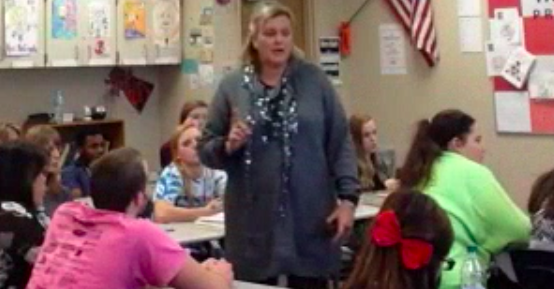

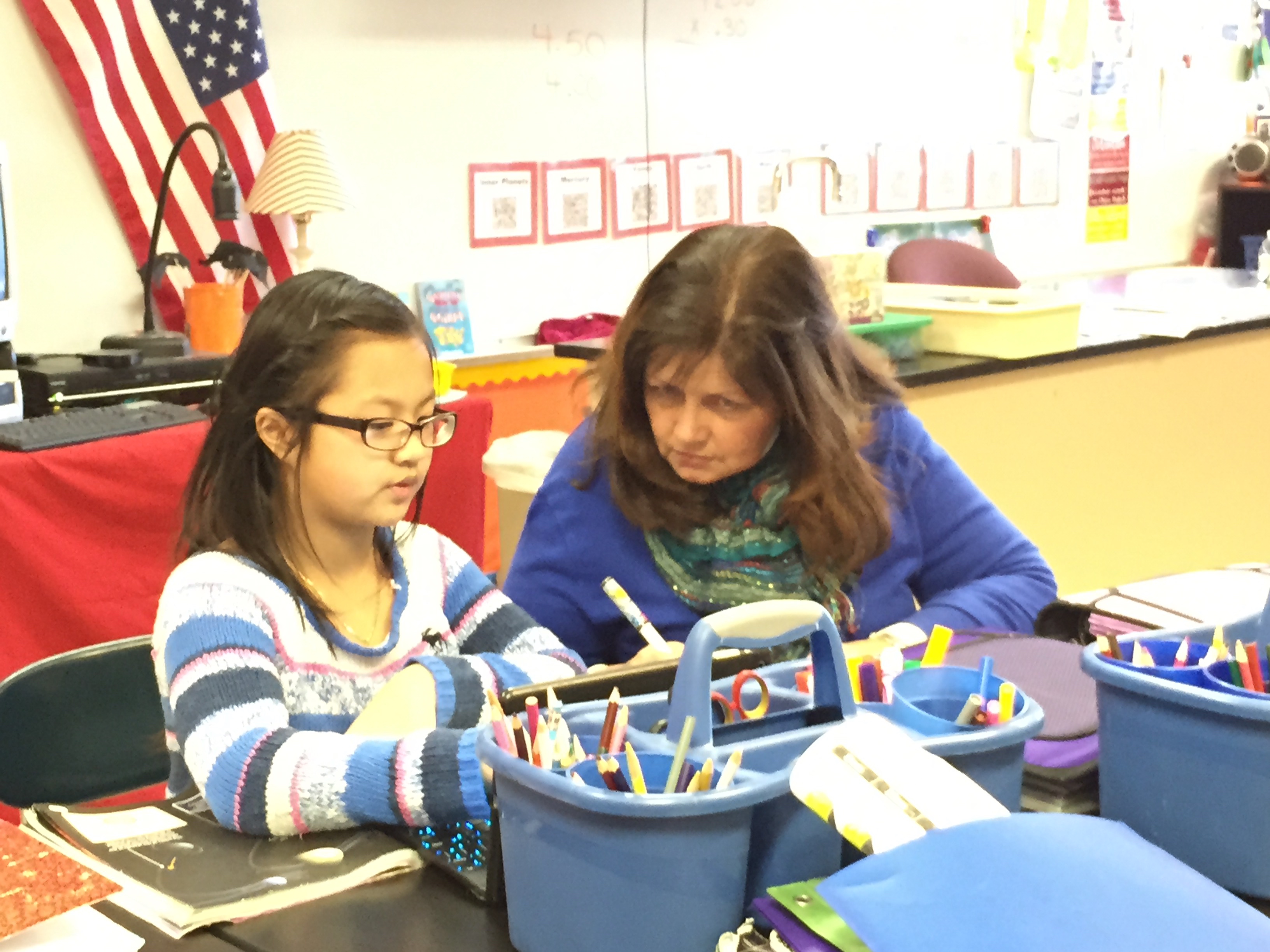
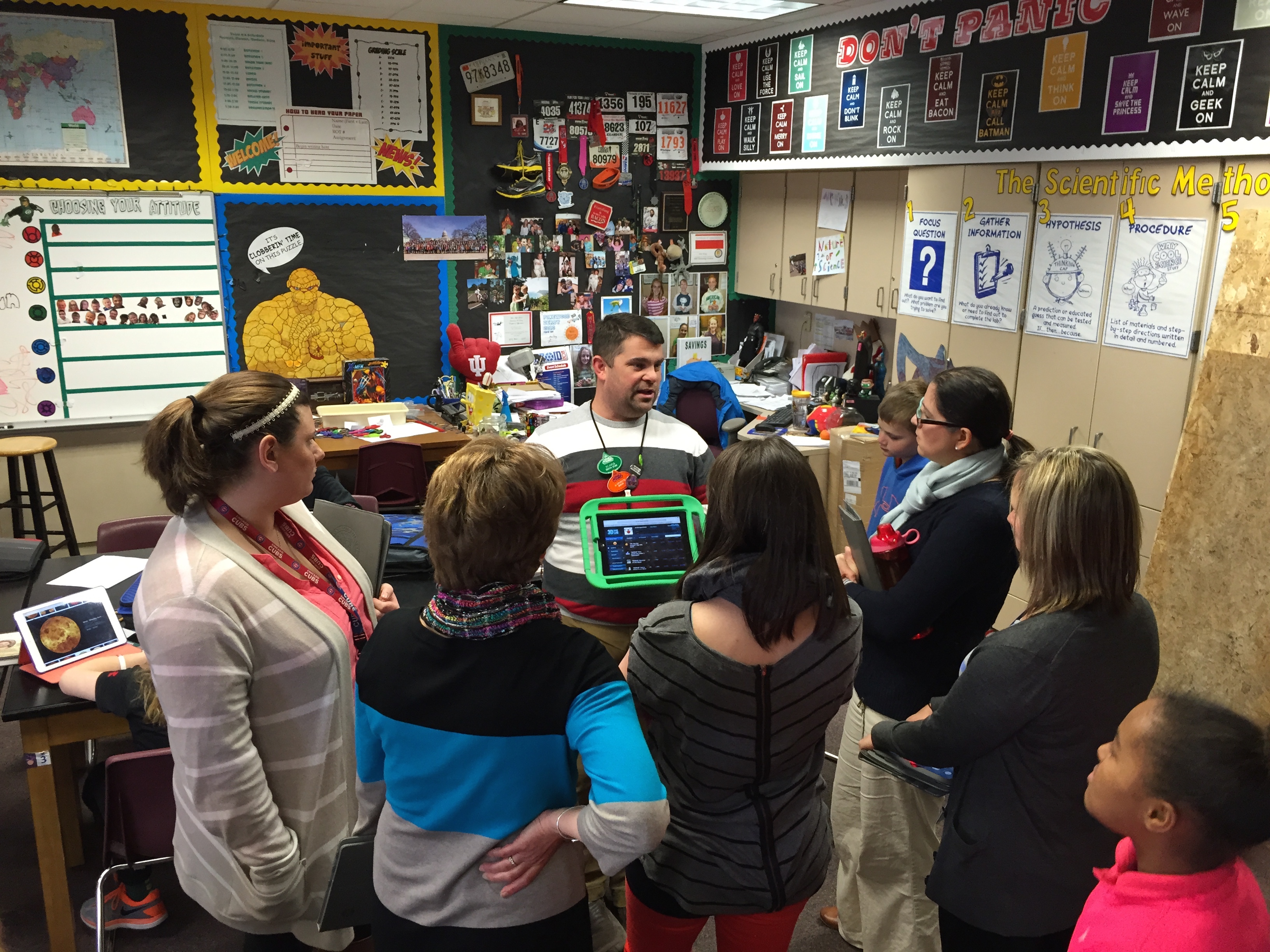
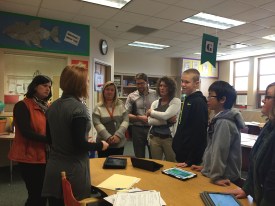 mes seeing is believing. For classroom teachers, seeing other teachers in action (what we call ‘shadow visiting’) isn’t as much about ‘belief’ as it is about sharing curriculum and methodology across grade levels. It’s also about noting successful innovation–which is exactly what happened when fourth grade teachers from HPE*, HRE* and SCE* recently spent half a day visiting Sand Creek Intermediate, the building that many of their current fourth graders will attend next year.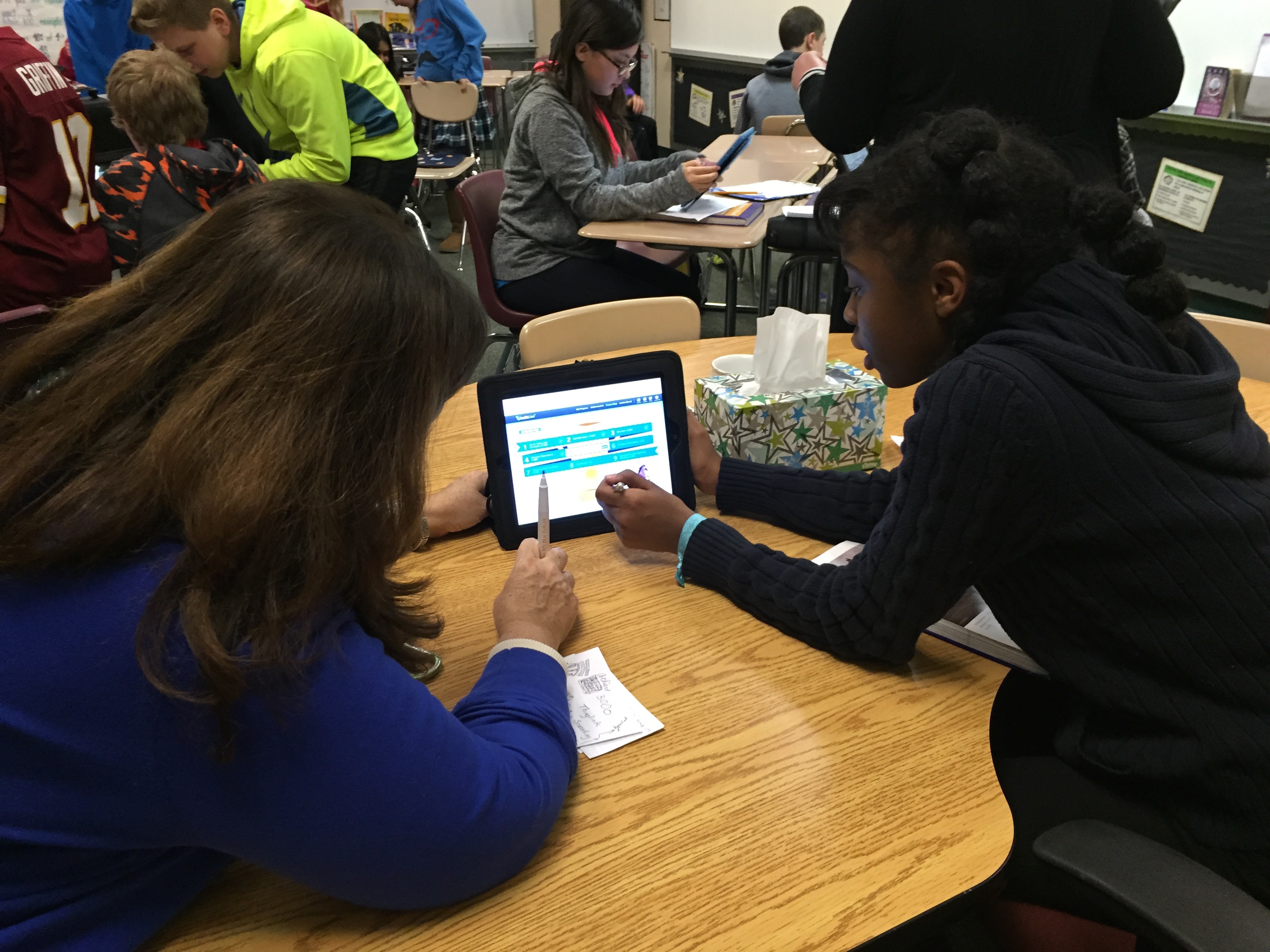


 HSE21 Shorts