WIth our K-4 1:1 roll out on deck for August 2016, HSE21 Shorts has devoted much of this school year to sharing HSE21 snapshots from elementary classrooms. Today, though, we’d like to highlight HSE21 in action at HSE High School. Read on!
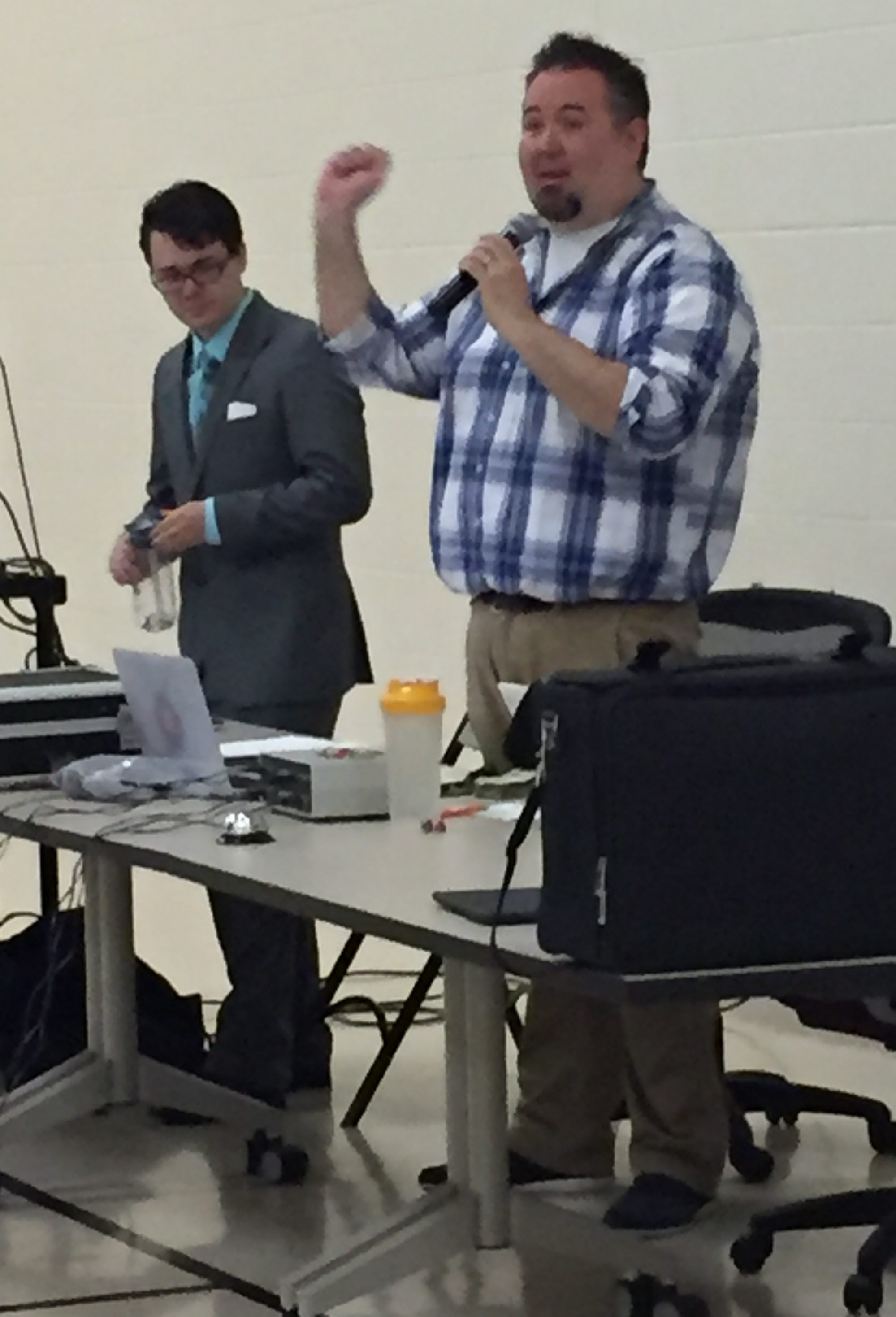
Mr. Follis, AP Social Studies teacher at HSE High School, exemplified HSE21 before there ever was an HSE21. Mr. Follis is a natural communicator whose classes are student-centered, engaging, and relevant. He has found ways to create learning opportunities for his students that combine depth of content (AP exams are this month!) and meaningful experiences connecting the past to issues in our world today. His recent Cold War simulation is a perfect example.
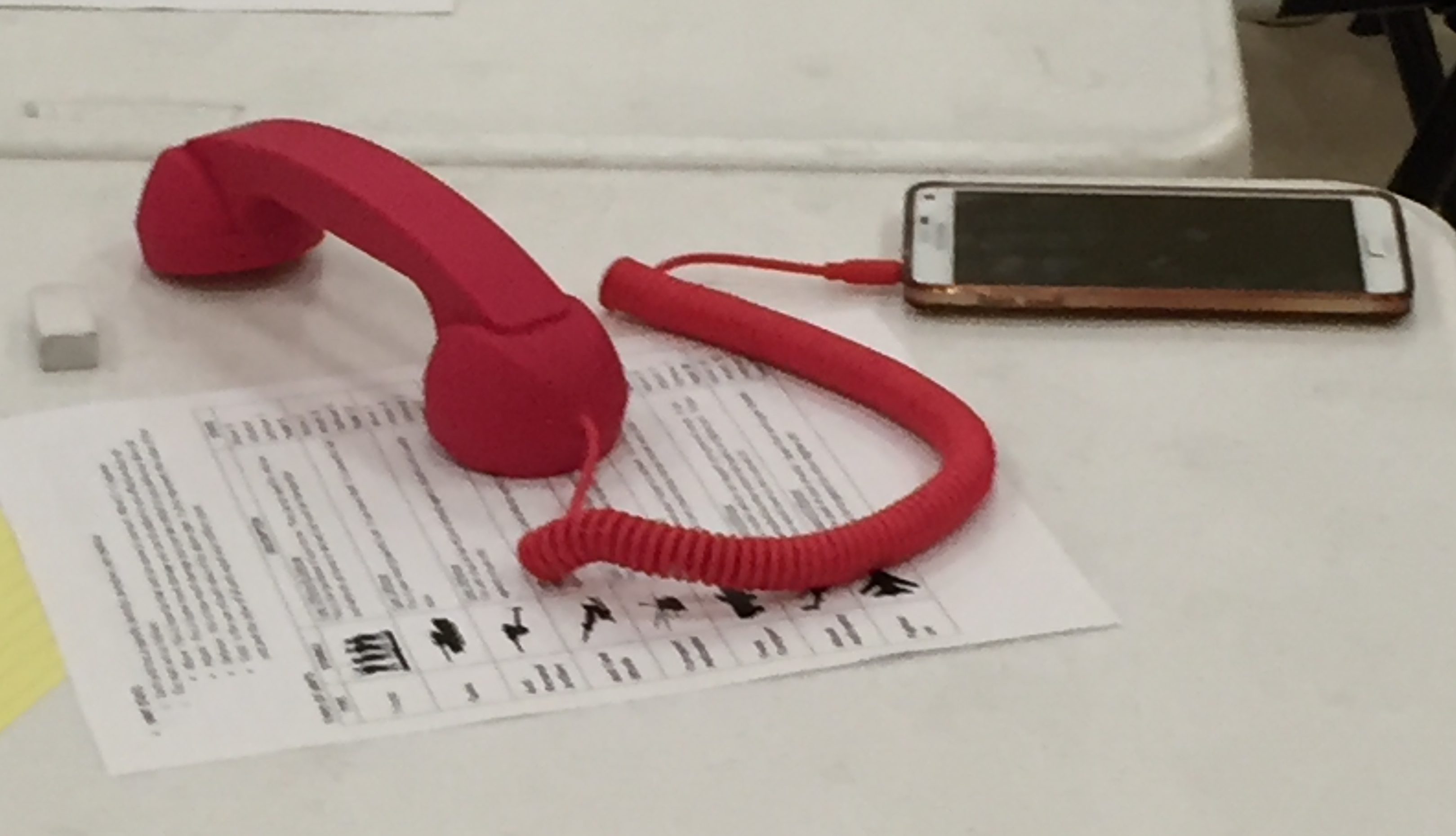
 Mr. Follis ran HSE’s Cold War as an in-school field trip for his AP European History classes. Students represented the East (the Warsaw Pact), the West (NATO) or the United Nations. All day, teams were confronted with real problems which they could choose to solve diplomatically or… Throughout the game, wars broke out, territories changed hands, and treaties were signed. Newscasts, propaganda campaigns and the Olympic Games heightened excitement throughout the day. Nineteen-fifties technology meant no computers – files and books were the only sources of information available! Communication? Only through ambassadors, the red phone and one’s defcon status. (I had to Google ‘defcon‘.)
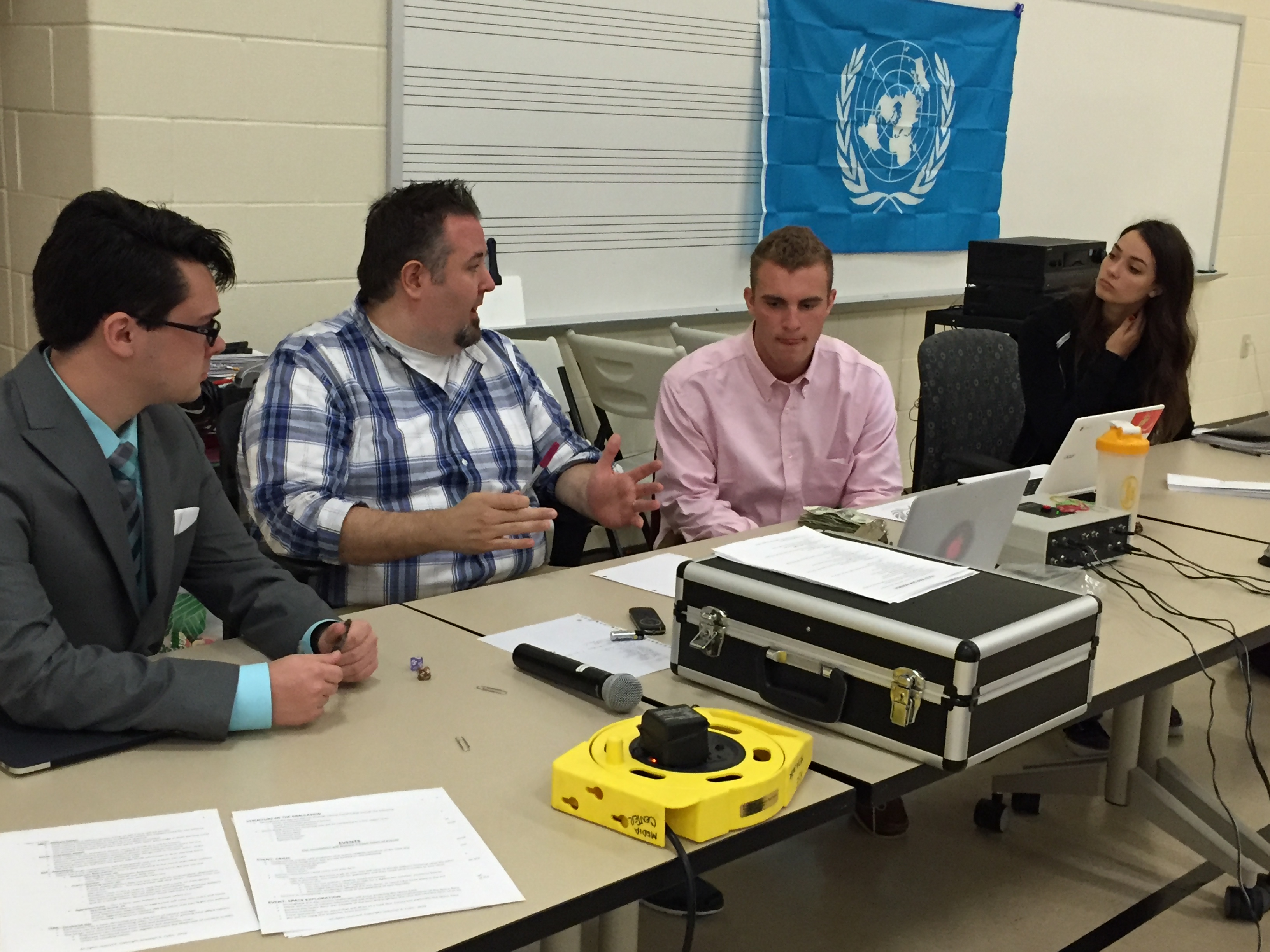 Of course, no Cold War simulation would be complete without spies and the threat of nuclear war. KGB and CIA leaders recruited spies, who could steal launch codes, locations of bases, troop numbers, and game stats. Spies could be caught and tried…or flipped to become double agents. Each side had the potential to ‘nuke’ the other (Translation: force the other side to take the unit test); but nuclear war has consequences for all – a retaliatory strike could lead to mutually assured destruction! A ‘box’ (with electronics, sound effects, a red button, and two launch keys) made by HSE engineering students sat ready throughout the day, an ominous reminder of what could be.
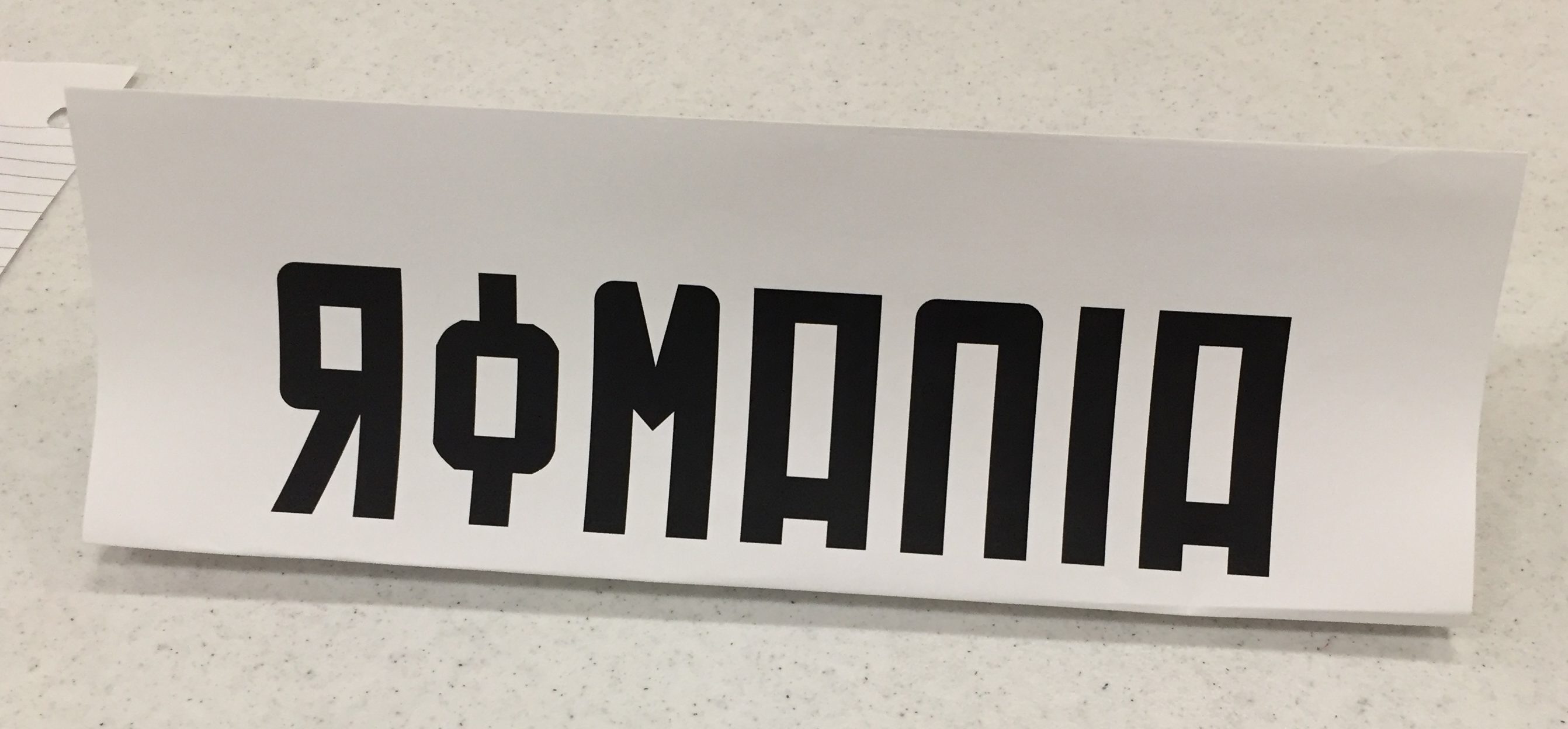
In ten years, these AP European History alums might not remember how to spell Romania. What they will still remember (really, what they will still deeply understand), though, is far more important. Why is it difficult for nations with conflicting values and visions to work together? What potential solutions exist, and what are their costs? What does that mean for us today?

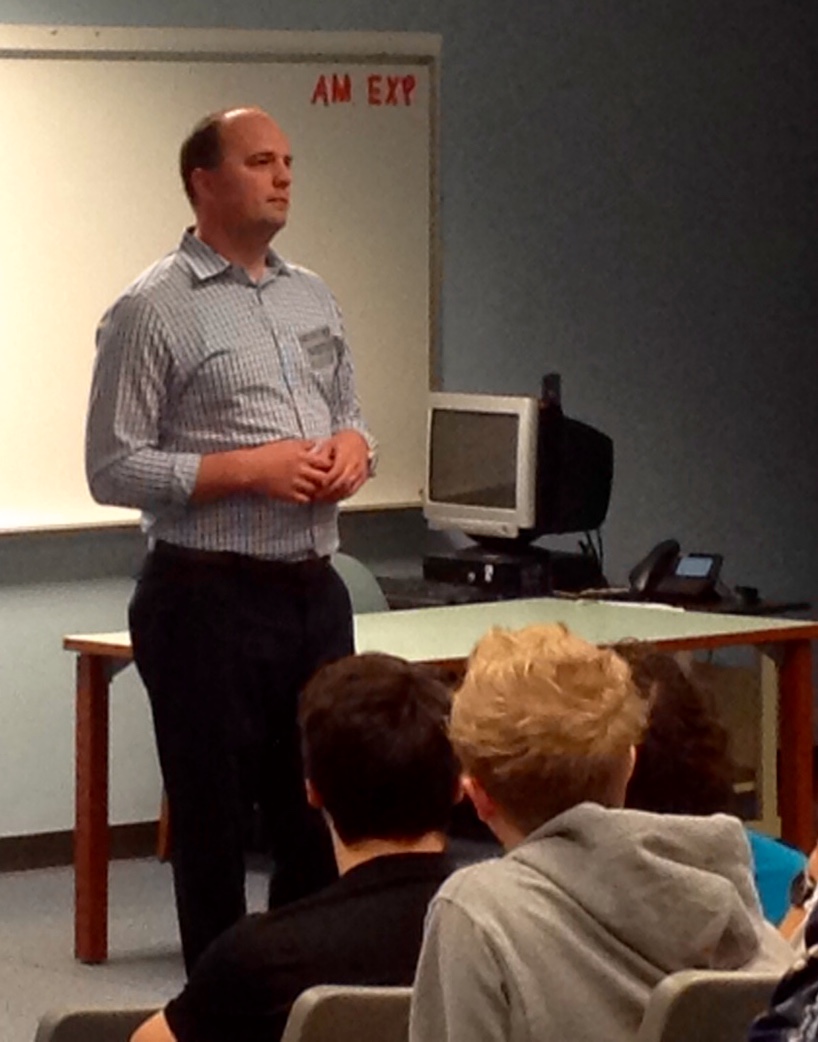
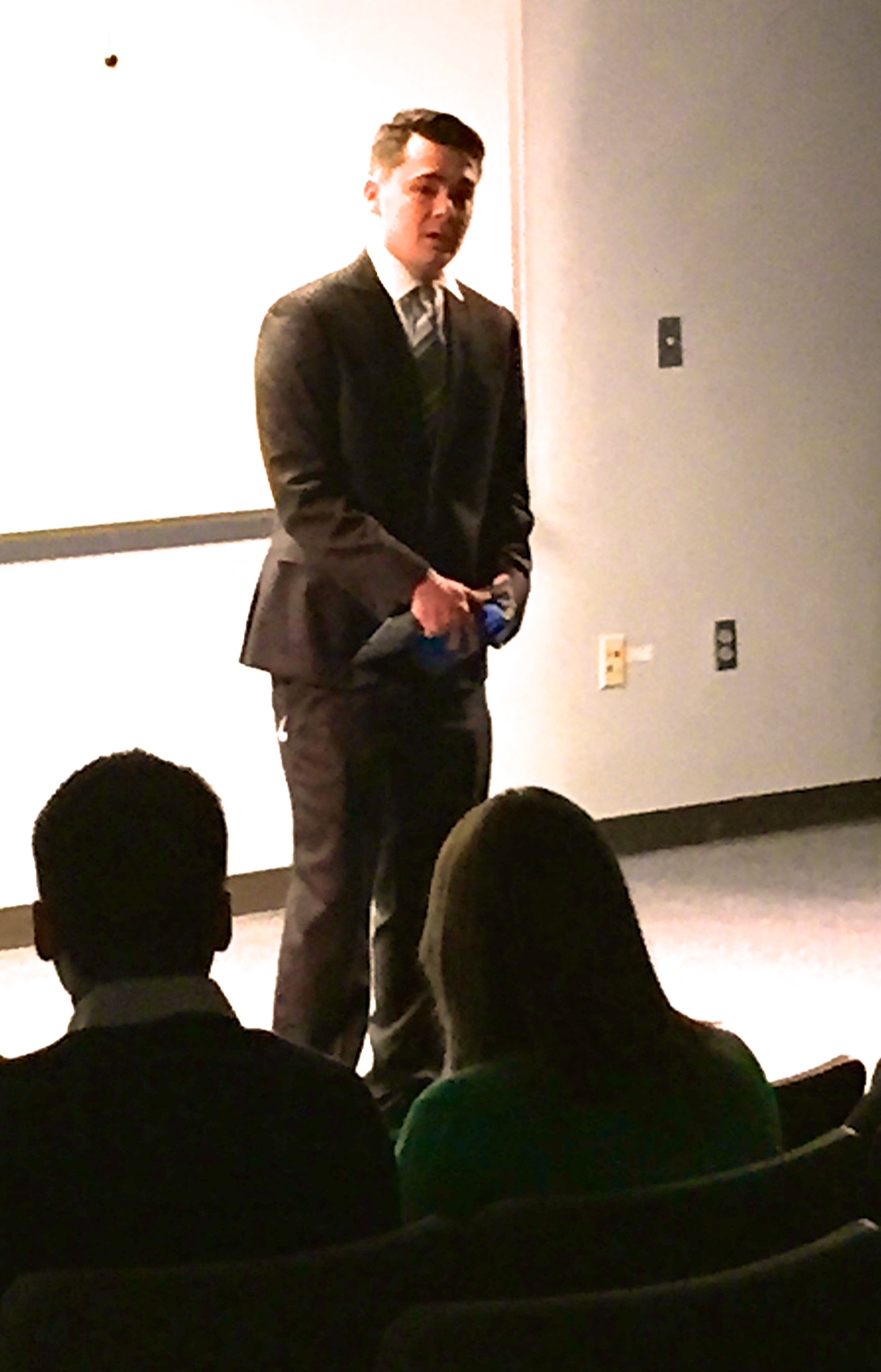
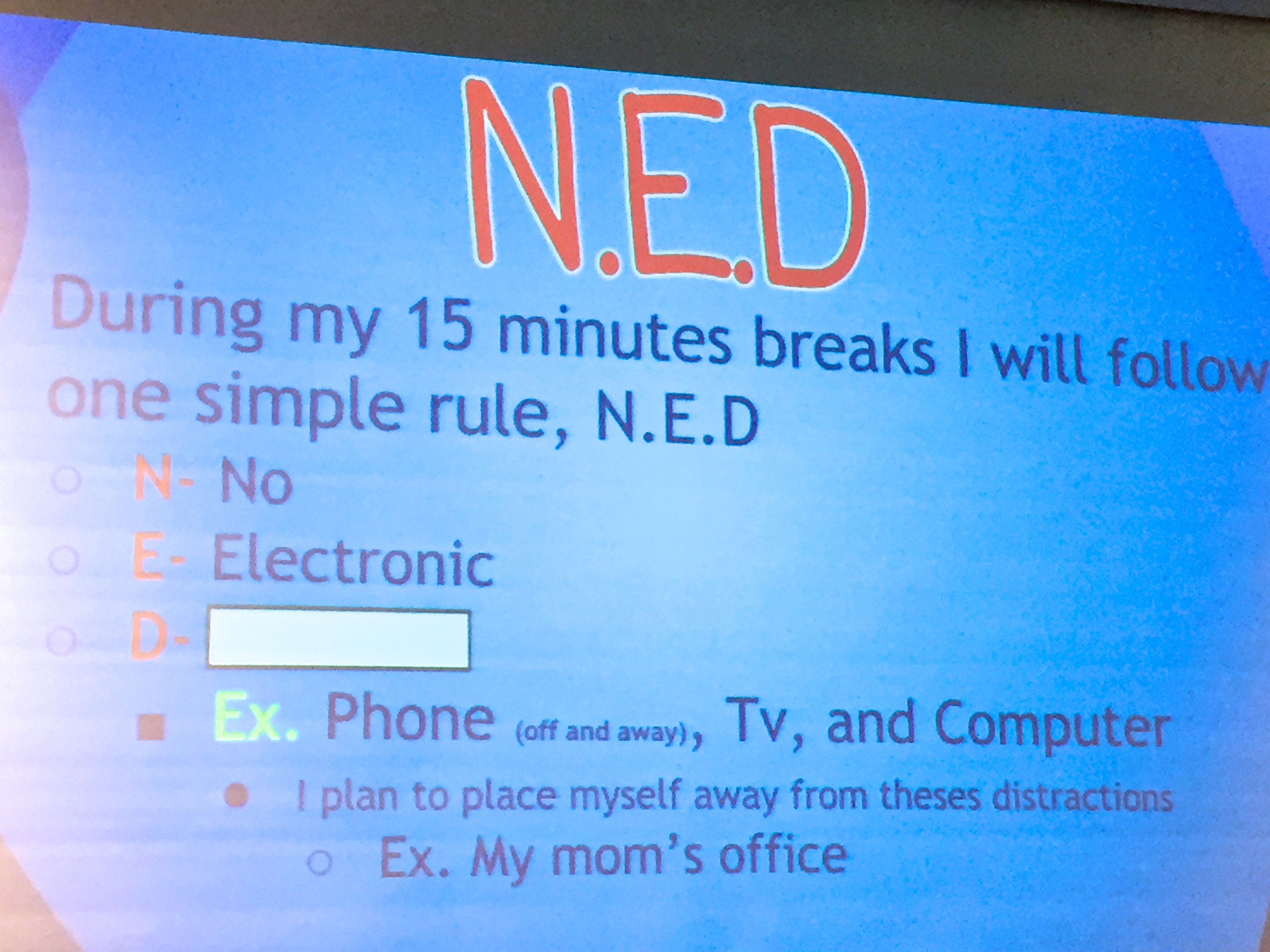
 By the time most students reach high school, they are used to being called upon to answer questions in class and to present projects to classmates. To stand on a stage before an audience of peers and adults, however, in order to present individual work based on personal interests and passions–this is very new. Students shared from their hearts, backing up their project designs with data and research. Whether a project sprung out of a need connected to a personal past time, an issue observed in the school community, or a cultural concern with global ramifications, students revealed their ability to analyze and come up with creative solutions to real-world problems. HSE21 Shorts can’t wait to see the follow-through!
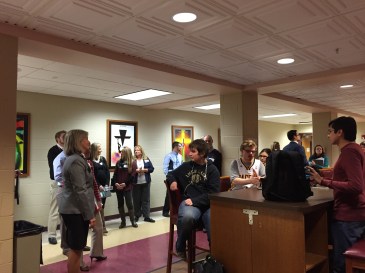 HSE’s August 2015 BYOD roll out is the culmination of several years of research, strategic planning, and practical preparation. For our school district, part of this preparation has included visiting other schools and districts throughout Indiana, especially those that have gone before us in this major curricular shift. The image here is of a recent visit to Brebeuf, a nearby high school already in its third year of a BYOD program. The group of HSE and Brebeuf teachers and educators spent half a day relating experiences, discussing concerns, and learning from one another. Just as collaboration among students deepens learning, so it is with teachers. Our teachers hope to continue the relationships that have begun with Brebeuf’s educators, and with today’s digital tools, continuing conversations are just a mouse click away.
![IMG_7897[1]](https://hse21shorts.com/wp-content/uploads/2014/12/img_78971.jpg?w=202&h=268) HSE Freshman Campus English teacher Jen Torres’ class has focused on heroes this fall. Throughout the semester, Torres’ students read books of their choice about persons who could be classified as heroes. The freshmen also researched in depth to learn more about the lives of their heroes, in order to answer the driving question, What makes a hero? Are heroes born? Did something in a hero’s childhood build heroic character? Or…do heroes just make wise choices at pivotal times?
HSE Freshman Campus English teacher Jen Torres’ class has focused on heroes this fall. Throughout the semester, Torres’ students read books of their choice about persons who could be classified as heroes. The freshmen also researched in depth to learn more about the lives of their heroes, in order to answer the driving question, What makes a hero? Are heroes born? Did something in a hero’s childhood build heroic character? Or…do heroes just make wise choices at pivotal times?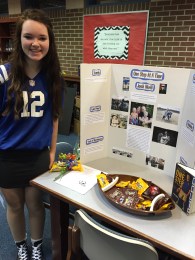 ek, the ninth graders’ hero study culminated with a Hero Fair in the school media center. Students used a variety of presentation tools and methods to share their learning with peers, school administrators, and other teachers. Many discoveries about heroes were shared; among others, students realized that heroes can definitely reside close to home! L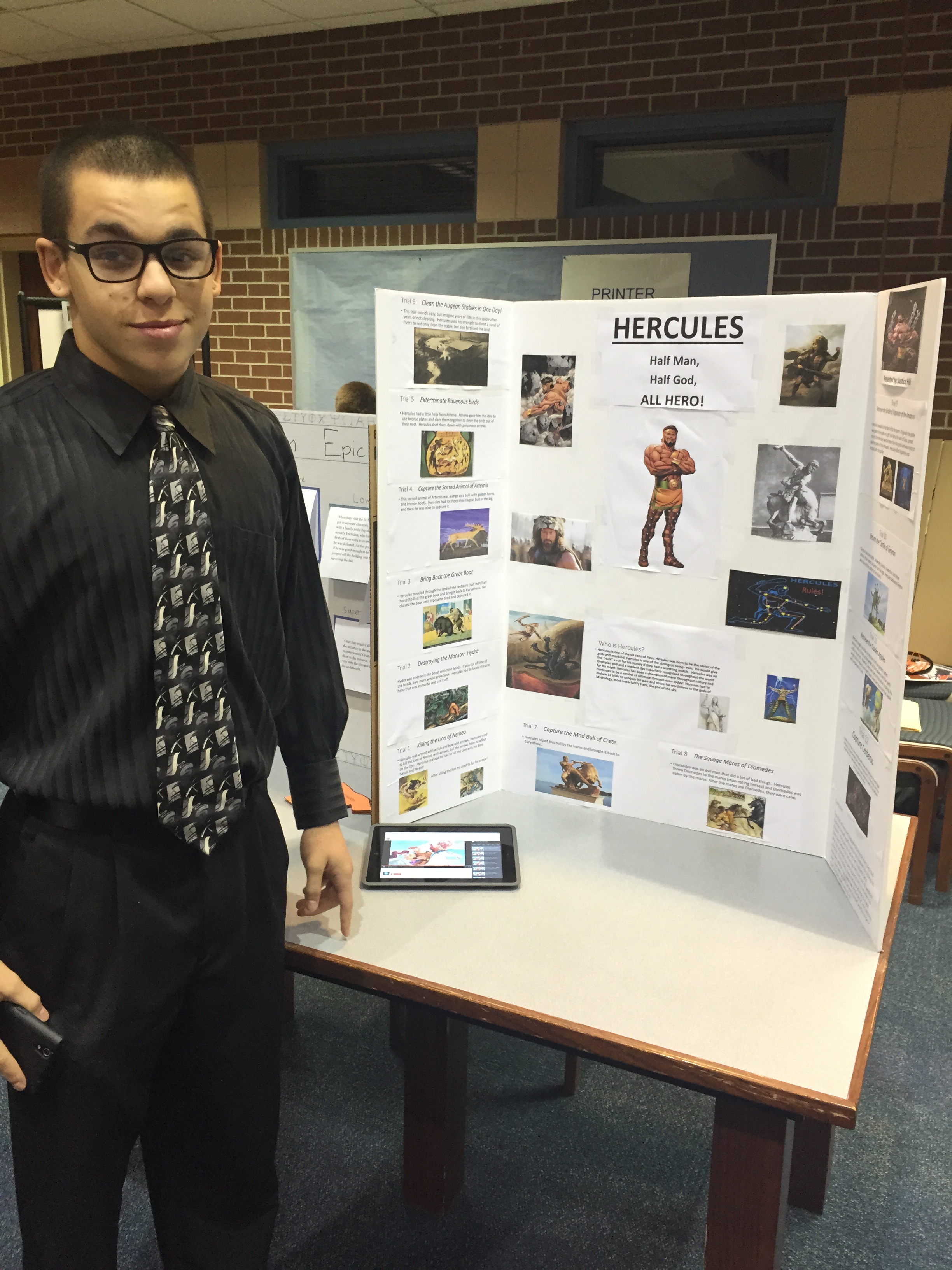
![IMG_7896[1]](https://hse21shorts.com/wp-content/uploads/2014/12/img_78961.jpg?w=132&h=177) The theme of ‘heroes’ clearly had an impact on Ms. Torres’ students. Through reading, writing, speaking, listening, designing, and pondering, the ninth graders all took away a deeper understanding of what heroism really means.
The theme of ‘heroes’ clearly had an impact on Ms. Torres’ students. Through reading, writing, speaking, listening, designing, and pondering, the ninth graders all took away a deeper understanding of what heroism really means.


 HSE21 Shorts