Hour of Code Kick-off

This week, many HSE students are  participating in Hour of Code – a global movement to stress the importance of computer science in education. Through computer programming activities, students practice skills that involve problem-solving, creativity and logic – important skills for 21st century learners. Last year over 15,000,000 students participated in Hour of Code in 180+ countries around the globe. This year organizers are hoping that more than 20,000,000 will experience the fun! For more background,check out this clip:


HSE21 Shorts plans to devote the remainder of this week to posts highlighting Hour of Code around our district. Stay tuned! Whether you are 4 or 104, you’ll soon see that computer coding…well, it’s just plain FUN!

Thanks to LRE media specialist Lori Silbert for today’s post!
‘Comical’ Monomyths

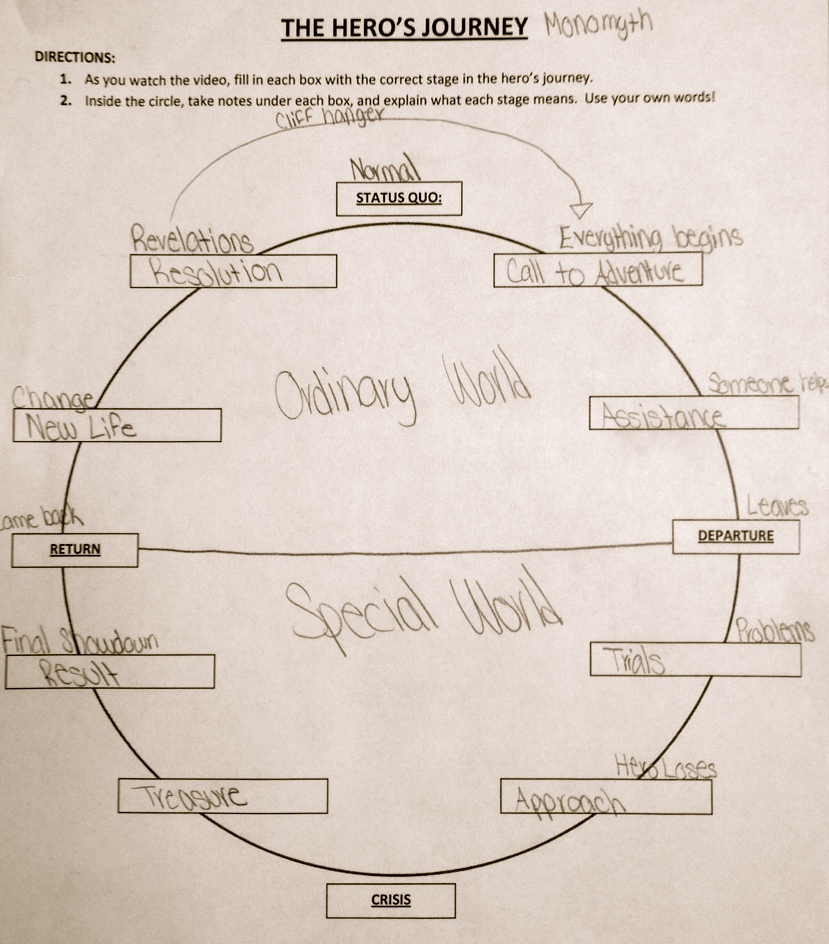
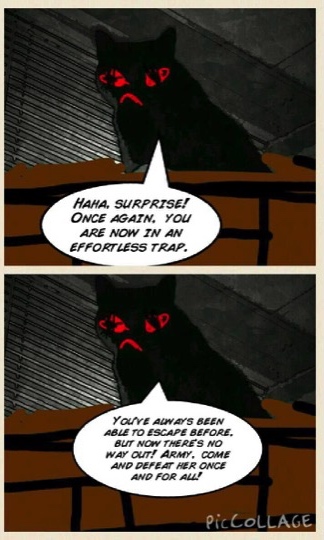
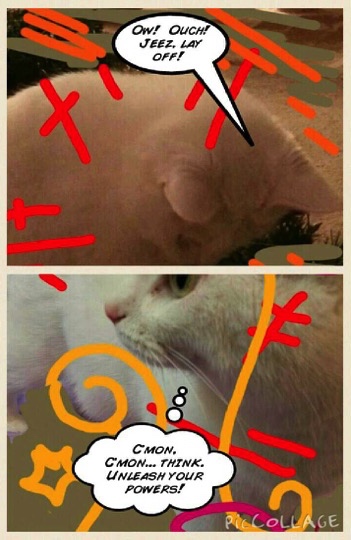
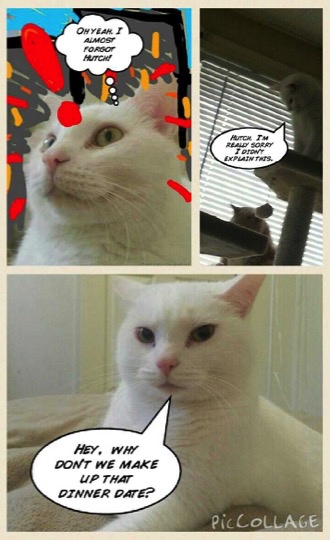
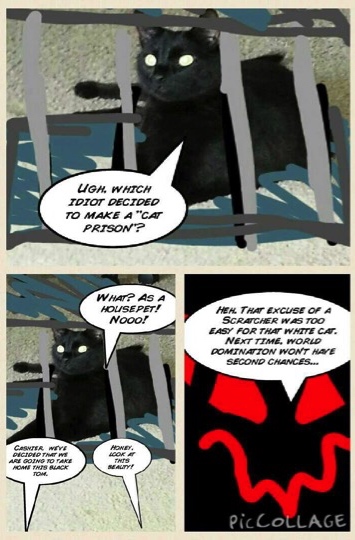
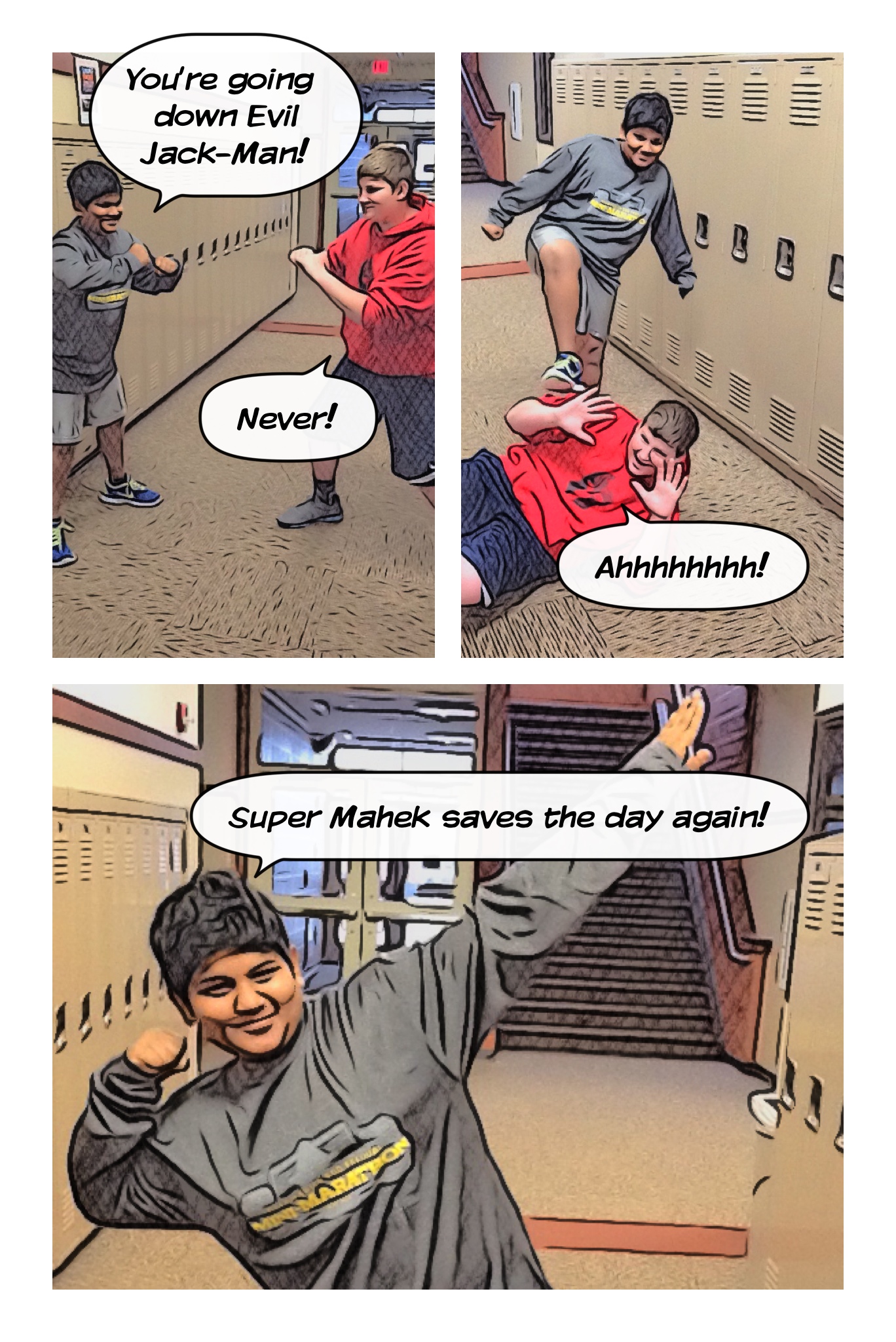
SUPER MAHEKWhen it was time for HSE Junior High’s Jeff Libey to teach the monomyth, aka, the ‘Hero’s Journey’, to his seventh grade English composition students last year, he didn’t even consider mere lecture. This key story structure, integral to much of classic and modern literature, begged for an interactive project–an activity in which the students could demonstrate understanding by constructing a narrative of their own. Libey’s answer: the monomyth comic book! This 2013 project was so successful that Mr. Libey recently encored it with this year’s seventh graders.

IMG_1531When HSE21 Shorts visited HSEJH last week, Libey had just finished covering introductory material–the Hero’s Journey cycle–with his students, and had shown examples of the hero’s journey in film and text. Then it was the students’ turn to show what they’d learned: HSE21 Shorts followed along as each student storyboarded their own monomyth, i.e., wrote the tale of a hero’s journey. Students acted out and photographed (with iPads and smartphones) their monomyths , and then edited the photos (comic-y filters!). Next would come layout and the addition of text, then peer-to-peer sharing to locate  hero’s journey elements in classmates’ myths.

Interacting with new concepts through creation and presentation aids in deep learning. Jeff Libey’s students will remember this creative and fun class project for years to come–even more, they’ll remember the Hero’s Journey cycle and recognize it as they approach literature in the future.

Slide1

Slide2 Slide3 Slide4

Slide5 Slide6 Slide7

Sixth Grade Science…for a New Generation!

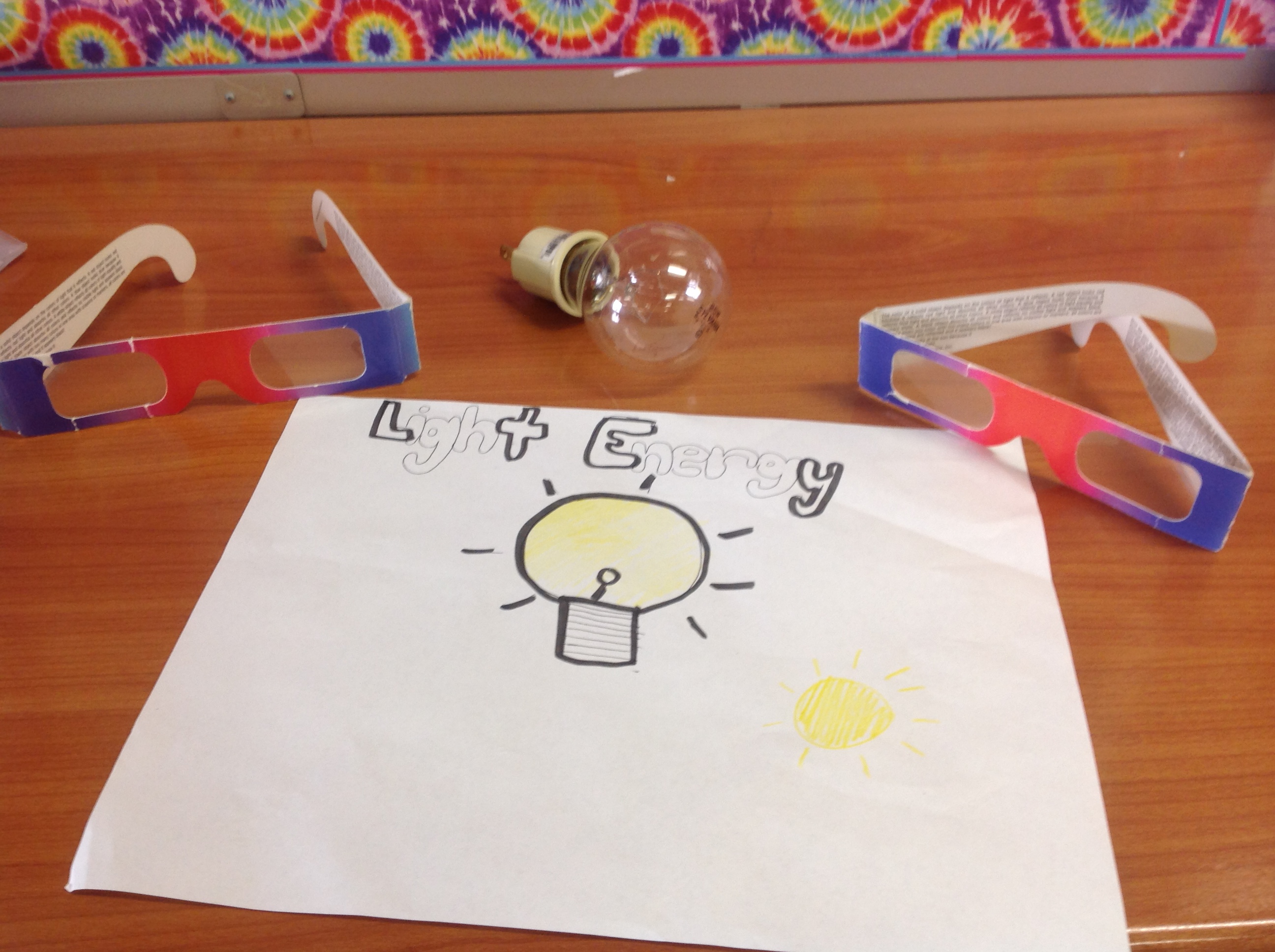
alig3Indiana’s sixth grade science standards state that students will “understand that there are different forms of energy with unique characteristics.” In generations past, a lesson on this topic might have included reading a textbook section and filling in a worksheet, not a method conducive to deep learning. Today’s HSE21 Short, from Stephanie Alig’s classroom at Riverside Intermediate, provides a compelling example of 21st century learning, where student inquiry and collaboration, powered-up by 21st century digital learning tools, foster enduring understandings of important scientific concepts.

alig1“I placed students in groups of two or three, so that they might collaborate and learn from each other. Each group investigated a form of energy (sound, light, heat, electrical, chemical, or elastic), by researching in their textbooks and online with their iPads. Each group’s responsibility was to create a one-minute presentation representing their form of energy. Groups used a variety of digital presentation tools to share their findings: iMovie, Haiku Deck, and Adobe Voice were three popular tools.”

alig2“Next, groups created Auras (using Aurasma) or QR codes as vehicles for presentation sharing. I placed the Auras and QR codes at ‘energy stations’ where the students a) watched the presentations; b) completed a mini-lab (made a circuit, energy sticks, measured heat, vinegar/baking soda, poppers, and diffraction grating glasses); and, c) submitted responses through Blackboard to demonstrate their understanding.”

If you are over thirty, does that sound like YOUR sixth grade science instruction?

Day 59 – The Construction of Millerville

Students in Holly Miller’s third grade class at Sand Creek Elementary recently got to experience how a real city or town operates. As part of their academic standards, the class studied the wide of variety roles that a community must fill in order to function as a town/city. Then the student-driven portion of the project began! With additional instruction and resources from media specialist Laura Collier, each class member filled out a job applicatiIMG_1611on for a role that interested him or her. Available roles included the mayor, city council member, employee of the public works or parks and recreation departments, a career with the fire or police department, and more!
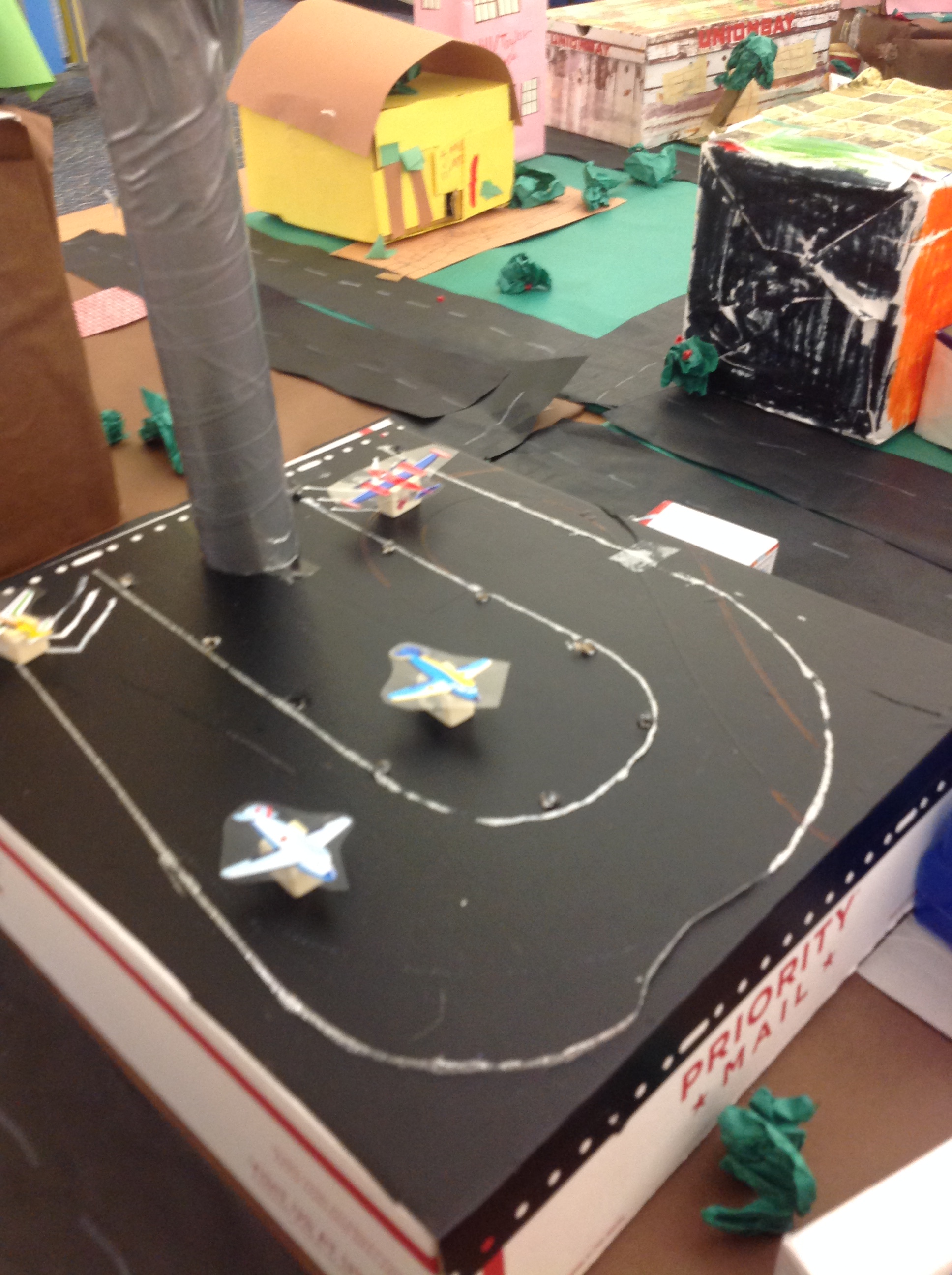
IMG_1582After a city mayor was elected and other roles assigned by interest, students practiced their research skills in the library, looking for reliable information about their chosen job. Students used that knowledge to build a 3-D representation of the town of “Millerville.” In addition to the content learned, the Millerville project gave students practice in collaboration and team-building, a visual representatiIMG_1608on of the necessities of a town,  and even included a math lesson on scale! Mrs. Miller and Mrs. Collier both declared this cross-curricular, collaborative unit to be a huge success–the students agreed!


Day 58 – The 2014 World’s Fair, HSE Style

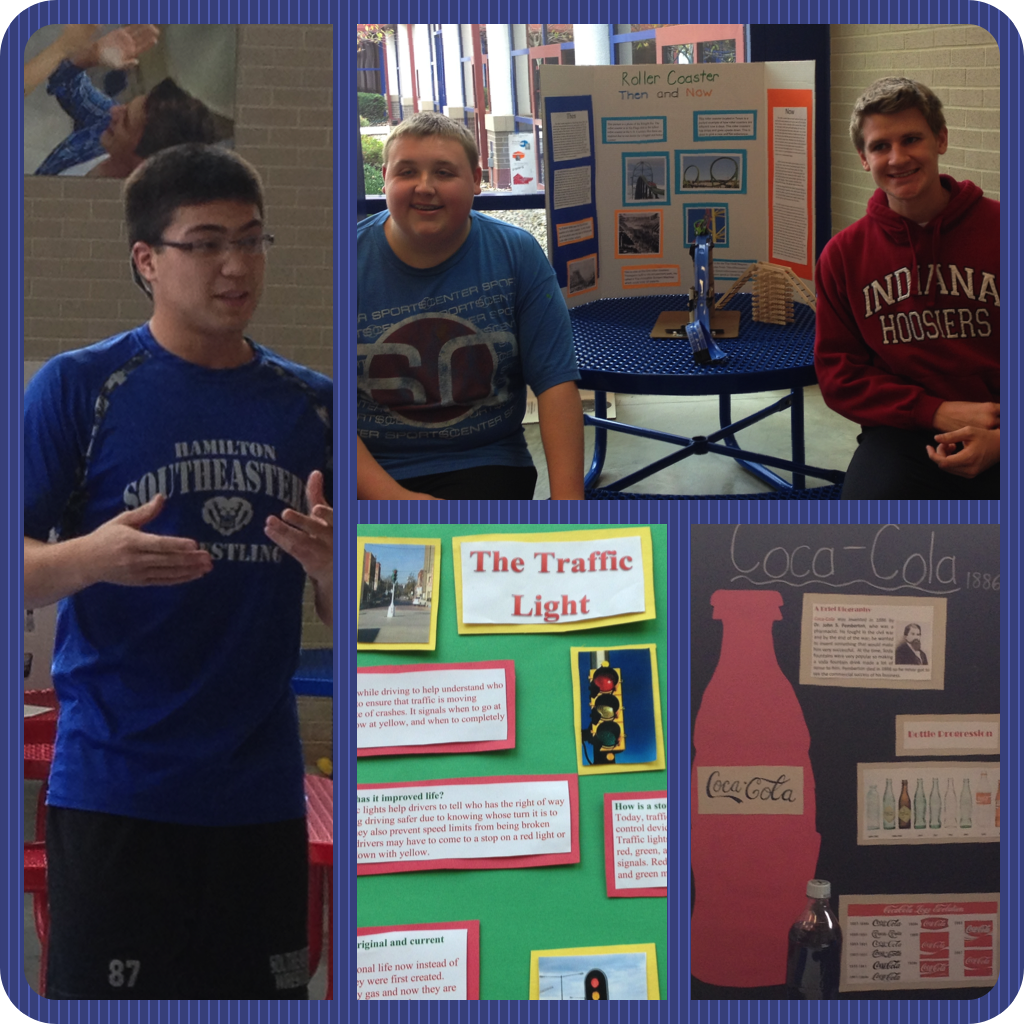
GehlarWorldsFairWho invented the traffic light? And…how do today’s high-tech traffic systems differ from those first simple signals? When did household mechanical appliances appear on the domestic scene? How did they become mainstream, and how have they changed with the times? The Gilded Age saw the patenting of many new products and the birth of corporations. But how did Americans and consumers worldwide find out about the newest and grandest innovations? One way was through World’s Fairs.

Especially between the 1870s and 1930s, multiple World’s Fairs and Expositions showcased inventions of the modern world, both useful and trendy, and predicted innovations of the future (not always very accurately!). At Hamilton Southeastern High School, Mrs. Gelhar-Bruce’s U.S. History classes recently recreated a World’s Fair as part of their study of this historical era. Students, working individually or in pairs, investigated the birth and development of an innovation that was meaningful to them. During the project culmination, the Gelhar-Bruce World Exposition, students presented their products and inventions to classmates. Each student or group chose their topic and presentation mode, keys to fostering student engagement. The Gelhar-Bruce World’s Fair saw ‘in person’ marketing plugs, commercials, graphic representations, and even 3-D then-and-now recreations of inventions. Active, personalized learning that connects the past with students’ present experience. That’s HSE21 learning!

Day 53 – Goodbye Book Report, Hello Blog

In many HSE classrooms, traditional written book reports have evolved into 21st-century literacy experiences. Reading self-selected books and sharing reading experiences is still essential in literacy instruction–but today’s students have new avenues and methods through which to communicate about their reading. One such avenue is the blog.

Blogging, whether to reflect on a book or for another educational purpose, offers a published venue through which students can express their unique voices as writers. Blogs provide a forum for open reflection and collaborative communication; blog posts become part of each student’s digital portfolio/archive of learning, as well as a beneficial addition to their individual digital footprints.

Students of all ages and in a variety of subject areas are experienced bloggers. Today’s blog examples come from ninth-graders at Hamilton Southeastern High School. Click on the image to be directed to Blogger, where you can read about the project and get new ideas for your reading pleasure!

Screen Shot 2014-10-30 at 1.17.56 PM

Day 46 – Fourth Graders Learn with NASA

murchnasaNASA might not have a flight center in Indiana, but that didn’t stop BSE fourth graders from interacting with a NASA scientist! Through NASA’s Digital Learning Network, Brooks School Elementary fourth graders spent two hours this week with David Alexander, STEM Scientist at NASA’s Neil Armstrong (formerly Dryden) Flight Research Center. Alexander’s lessons focused on physics and aeronautic principles (flight, force and motion) and on NASA’s historical and current work.
Throughout each hour-long session, Alexander interacted with students, asking for their questions and perspectives on aeronautics, space science, and desired careers. Said fourth grade teacher Amy Murch, who spear-headed and organized the NASA lessons, “Students were engaged and intrigued by our Stem Scientist, David.  He was very funny, playful and knowledgeable about his work. He encouraged students in the areas of math, science, and the arts.  He shared personal stories of his journey to NASA and how much he loves doing what he does.  He left students wanting to discover their own passions and helped them to think now about how can they achieve their goals in life.”

IMG_2463The connection that Mrs. Murch’s students have established with NASA isn’t over. “My students are in the midst of their first Genius Hour Projects,” said Mrs. Murch. “They’ll be connecting with STEM Scientist Alexander again later in the year to share their learning. I have students experimenting with robotics, exploring dry ice, creating volcanoes and building video games… all of which David covered in his presentations. The boys and girls were thrilled to discover that the personal interests they are pursuing  during Genius Hour have ‘real world’ applications.” Who knows? Perhaps one of these BSE students will take part in a 2035 mission to Mars!
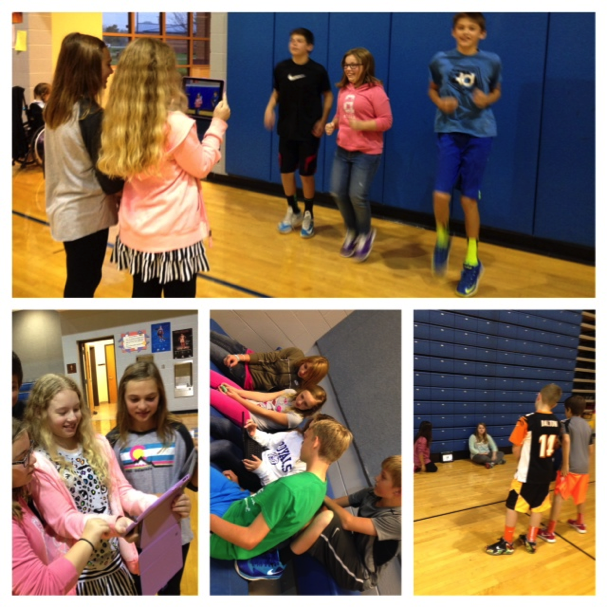
Day 45 – Need a New Workout Video? Students Can Help!

How many of us have slowly stopped working out after following the same workout routine day after day…week after week? Well, the students in Mr. Simms’ and Mr. Bratton’s Physical Education classes at Fall Creek Intermediate School are out to change that! They are collaborating to design new fitness routine videos to excite and engage, spicing things up for the Physical Education classes. “We get to be a part of making exercise routines that are different and fun for our whole class!” was one group’s  consensus today.PEVIDEOFCI

These videos provide more than just a means for students to get more exercise. Students work together to come up with and incorporate a variety of stretching and cardio activities to get them moving and active. They collaborate with their team members to lay out the routines, record video, and utilize iMovie to create their final polished version including videos, correct exercise form instructions, music, and more.

Creation has abounded as students have applied their physical education understanding to transform their own learning and real-world applications. Once students own the information and can apply it, it is theirs for a lifetime! They are on their way to owning the keys to a fit future!

Untitled4 Untitled3 Untitled2 Untitled

-Submitted by Kim Day, Fall Creek Intermediate Assistant Principal

Day 39 – Passionate Teaching

Today’s HSE21 Short is written through the eyes of a high school student. It is included because it sheds light on one of the most important aspects of great teaching.

Over the years, I’ve had many different teachers. Some of them I have gotten along with more than others, and I prefer some of their teaching styles to others. But I will tell you, even when I’m not wild about the subject (like science), when I have teachers who are passionate about what they teach, it won’t matter. I will certainly respect them for it. I had a science teacher last year, and you could just tell that he loved what he was doing every single day. He loves chemistry; you could tell by how he has devoted his life to it, and how adamant he is about helping his students understand what he is teaching. Even though I did not enjoy the subject matter, I certainly loved him as a teacher because of the interest and joy he expressed towards what he was doing.

I have a few teachers this year that fall under the same category. My math teacher is so adorable! She gets so excited every time that she is teaching us something new, and smiles and thinks that math is so fun. Even though I don’t share the same passion toward calculus, it is nice knowing that the person teaching me truly loves what she is doing and will try with all of her power to help us understand and love math just as much as she does.

These teachers, I believe, will leave a lasting impression on me. Even if they don’t inspire me to love chemistry or calculus, they inspire me to be inspired. These teachers and a few others are the ones that make me want to go out and find career that I am passionate about and devote my life to it and love what I do with every fiber of my being. These are the teachers I will remember. Thank you to all of you teachers that have inspired me and everyone else to continue to pursue our passions.

-FHS Student, Class of 2016

Day 37 – Learning to Summarize…Using Tweets (#140charactersmax)

Eighth grade English teacher Stephanie Dalton illustrates how creativity in lesson planning (along with some insight into what motivates young teens) can lead to deeper understanding and interaction with text. 

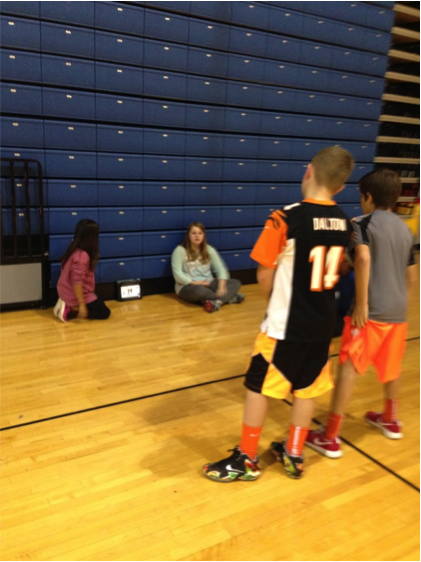
dalton2Last night, my students read chapter two of The Hound of the Baskervilles.  This early 20th century text presents a challenge for my students–especially in the beginning.  The core of the piece is the dreaded curse cast upon the Baskerville Estate which is presented in chapter two–last night’s homework assignment.

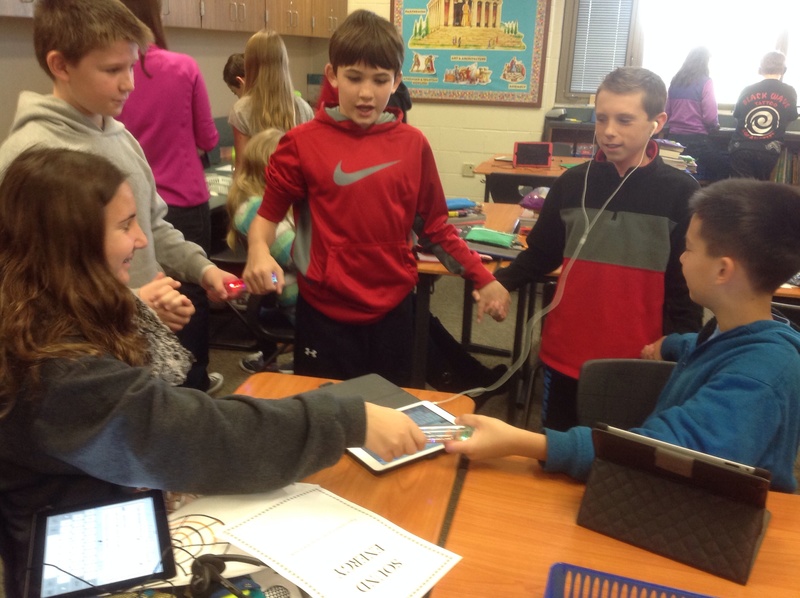
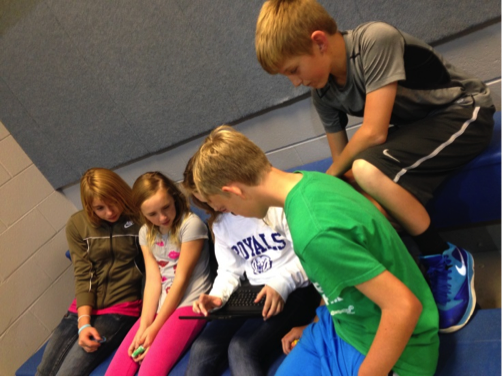
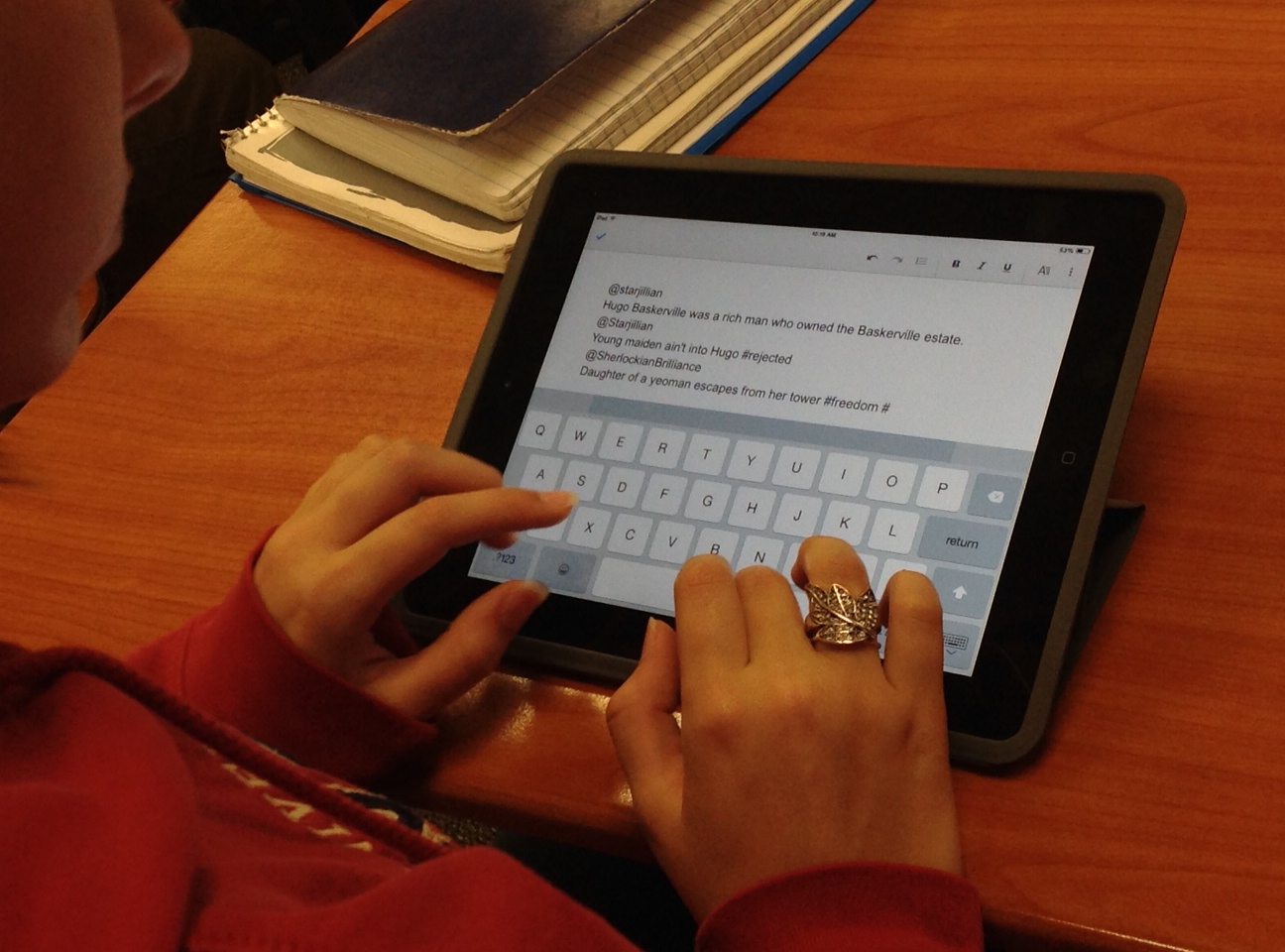
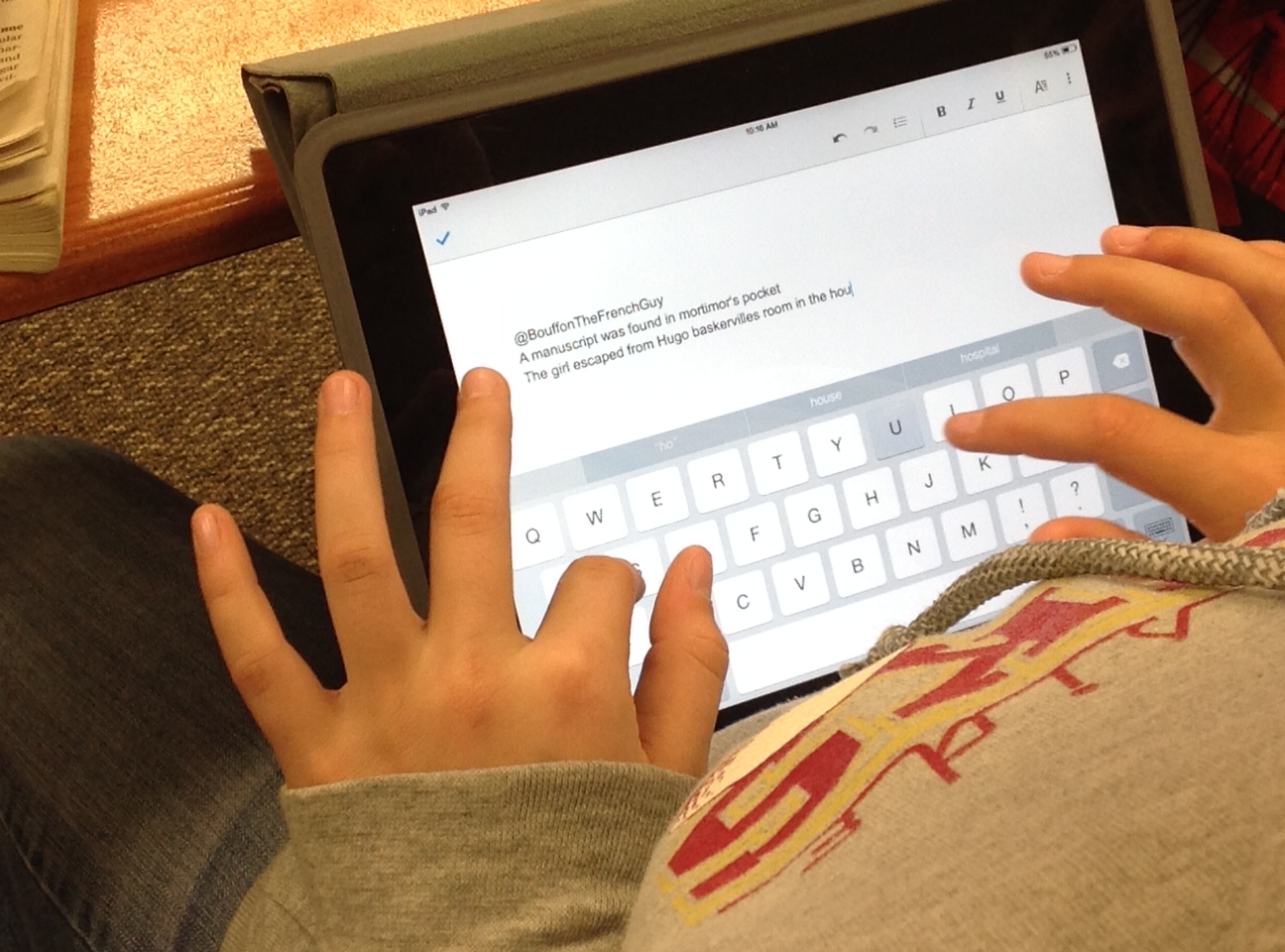
In class today, it was important to revisit the curse in order to deepen our understanding of this core text element. So, we tweeted about it. I asked each student to create an imaginary Twitter handle to identify themselves, and to write a 140-character tweet about the first event of the curse. Then we passed our iPads to our neighbors and had them continue the fake Twitter feed. dalton1During this time, student were welcome to skim their text so their tweets were accurate with the text itself. After six passes, we had a great summary of the curse as well as some laughter about our chosen hashtags. The best part of this lesson was students’ deep and critical thinking. The summary is easy; making hilarious hashtags was the challenge!

Sir Arthur Conan Doyle would have been proud.

Submitted by Stephanie Dalton, Riverside Junior High, English