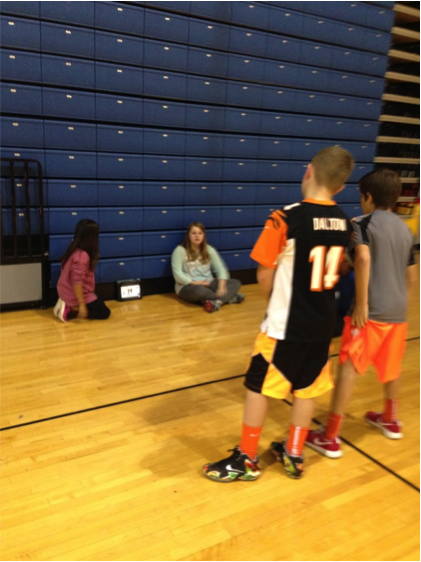
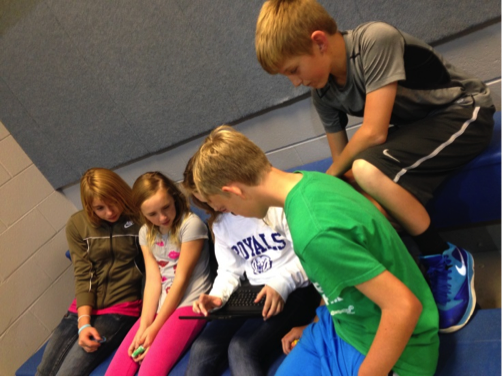
How many of us have slowly stopped working out after following the same workout routine day after day…week after week? Well, the students in Mr. Simms’ and Mr. Bratton’s Physical Education classes at Fall Creek Intermediate School are out to change that! They are collaborating to design new fitness routine videos to excite and engage, spicing things up for the Physical Education classes. “We get to be a part of making exercise routines that are different and fun for our whole class!” was one group’s consensus today.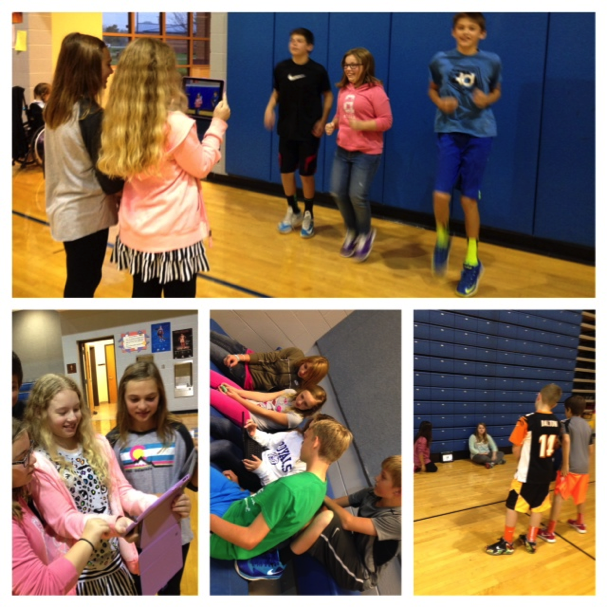
These videos provide more than just a means for students to get more exercise. Students work together to come up with and incorporate a variety of stretching and cardio activities to get them moving and active. They collaborate with their team members to lay out the routines, record video, and utilize iMovie to create their final polished version including videos, correct exercise form instructions, music, and more.
Creation has abounded as students have applied their physical education understanding to transform their own learning and real-world applications. Once students own the information and can apply it, it is theirs for a lifetime! They are on their way to owning the keys to a fit future!


-Submitted by Kim Day, Fall Creek Intermediate Assistant Principal
 Walk into Mike Fassold’s sixth period social studies class at Fishers Junior High, and what you won’t hear is a standard lecture. What you won’t see are students silently completing worksheets. Instead, you’ll experience a student-centered learning lab, with groups of students working together as they research and evaluate key questions surrounding American history, law, and society.
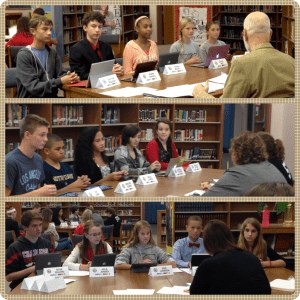 He worked closely with students to help them build their four-minute opening statements, which they presented today before an authentic audience of legal scholars from the community (pictured on right). HSE21 Shorts will revisit this innovative class later in the year to follow the students’ progress and get their perspective on this unique learning experience. Stay tuned!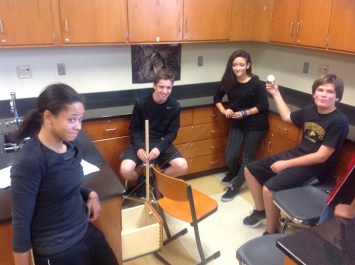
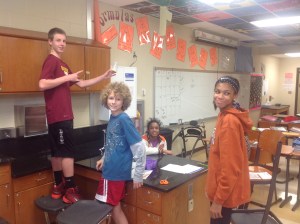 This introductory science inquiry project gives a clear example of HSE21 learning in action. In dynamic 21st century classrooms, students think critically and creatively to find solutions to problems. In this case, teams pooled their creative ideas and scientific knowledge to design a successful marble path. Along the way, they learned the concepts of precision and accuracy, and they gained experience in collecting/analyzing data, writing lab reports, and collaboration. Heckly, Folta, and King will spend the rest of the year helping their students build on these foundational skills as classes delve deeper into chemistry and physics through the school year.
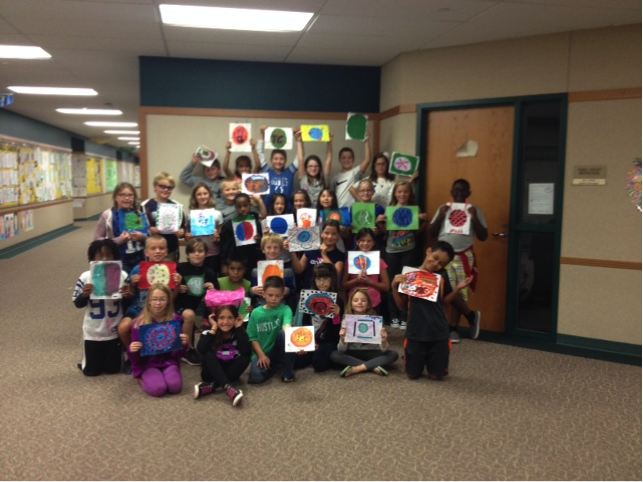
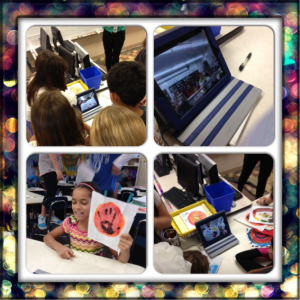 After discovering the #Dot Day on Twitter, students from Mrs. Murch’s 4th grade class decided to join the creating, celebrating and, most importantly, the connecting during this day! Students were challenged to think outside the box and create their own unique dots, math games that incorporated concepts using dots, writing activities and goals all around message of the book The Dot by Peter Reynolds. Students and teachers were challenged to think of ways they were “going the make their mark” on the world; they had time to self-reflect and set goals for this school year and for the future.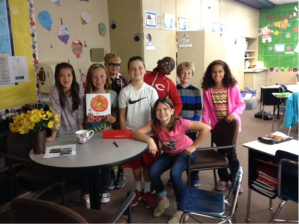
![image[1]](https://hse21shorts.com/wp-content/uploads/2014/09/image11.jpeg?w=251&h=300) The Riverside Intermediate Physical Education Department has just begun the 8-week
The Riverside Intermediate Physical Education Department has just begun the 8-week 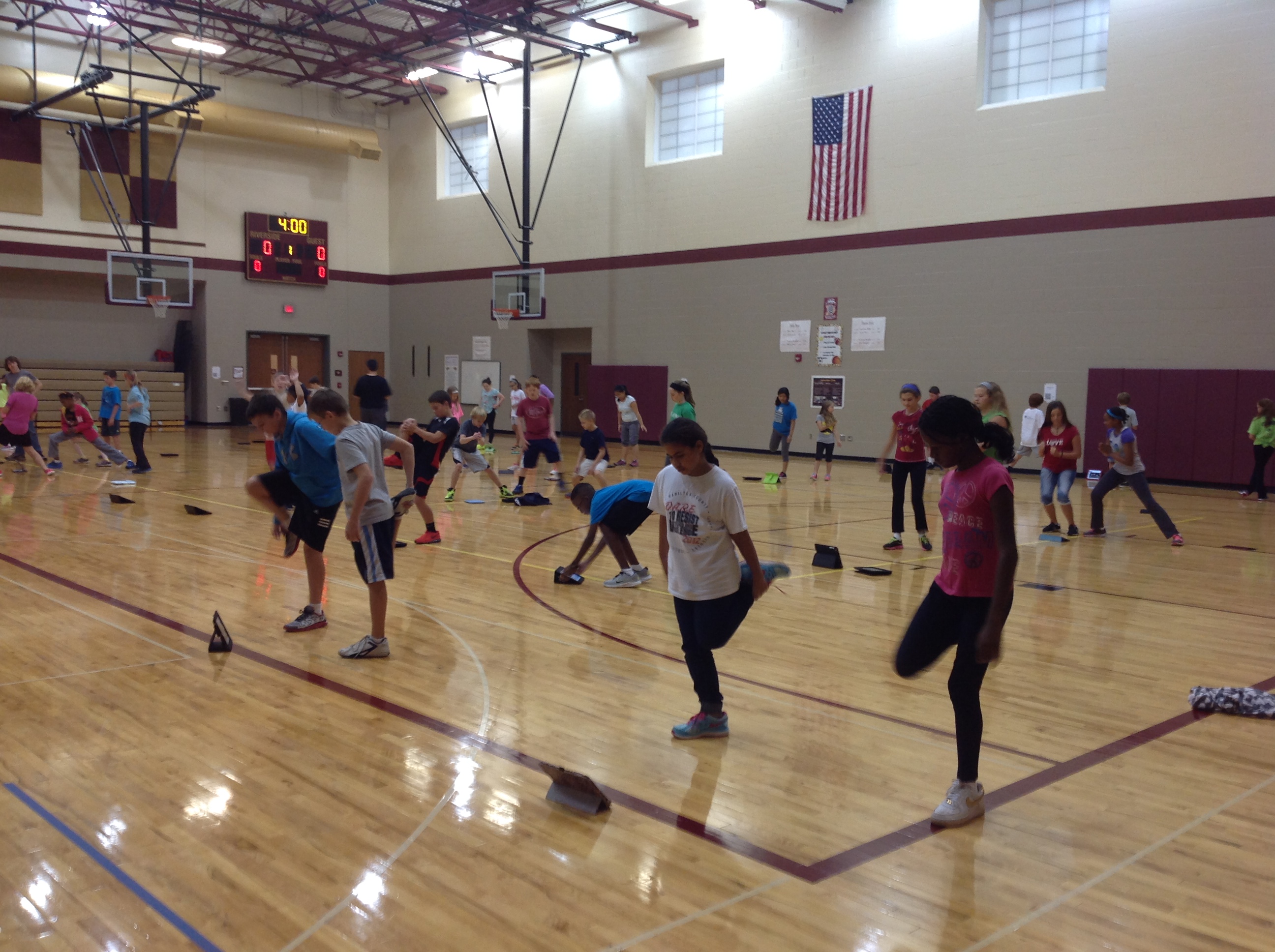
 -Submitted by Lauren Avery (media specialist) and Renee Ross (music), Hoosier Road Elementary
 day I had been hoping one of my teachers would have THE chairs. No luck, until 7th period when I walked into calculus. There they were! The swivels! Now, fifteen days into the school year, I still look forward to the swivel. It’s not just that these chairs are so much more comfortable (which they are). It’s that I can pull the desk part as far forward as I want. I can sit front ways or sideways and still get the desk part in just the right position for whatever we are doing every day. I can always get into a good position to see our teacher. The swivel chairs help me pay attention, and when math is 7th period, I need all the help I can get. -11th grade student, FHS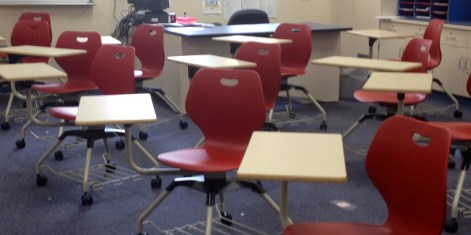
![photo 1[1]](https://hse21shorts.com/wp-content/uploads/2014/08/photo-11.jpg?w=300&h=224) An important 21st century skill is the ability to collaborate and share ideas among teams with similar goals. Fishers High School student government leaders did exactly that recently, when they traveled to the HCC Leadership Conference at Avon High school. For an entire day, student leaders from many Indianapolis-area locations connected on topics such as fundraising, community service, communication and school spirit. Each school’s student government shared experiences in these areas that other schools could adapt and use at home. Student-led discussions fostered brainstorming and the generation of new ideas and plans. Participants left with insight into student government AND into what it means to connect and collaborate with likeminded teams.
An important 21st century skill is the ability to collaborate and share ideas among teams with similar goals. Fishers High School student government leaders did exactly that recently, when they traveled to the HCC Leadership Conference at Avon High school. For an entire day, student leaders from many Indianapolis-area locations connected on topics such as fundraising, community service, communication and school spirit. Each school’s student government shared experiences in these areas that other schools could adapt and use at home. Student-led discussions fostered brainstorming and the generation of new ideas and plans. Participants left with insight into student government AND into what it means to connect and collaborate with likeminded teams. HSE21 Shorts
